Stateful && Stateless Services

Stateful vs Stateless Services
🎭Stateless vs Stateful Services - The Memory Question
🎯 The Forgetful vs Remembering Server
Scenario: You're talking to a customer service agent.
Forgetful Agent (Stateless):
You: "I'd like to order a pizza" Agent: "Sure! What would you like?"
You: "Large pepperoni please" Agent: "Sorry, what were you ordering?"
You: "A PIZZA! Large pepperoni!" Agent: "Oh okay. What size?"
You: "I JUST SAID LARGE!" Agent: "Right, and what toppings?"
You: 😤😤😤
Remembering Agent (Stateful):
You: "I'd like to order a pizza"
Agent: "Sure! What would you like?" [Writes on notepad: Pizza order]
You: "Large pepperoni please"
Agent: "Got it! Large pepperoni pizza." [Writes: Large, pepperoni]
You: "Actually, add mushrooms"
Agent: "Sure, adding mushrooms to your large pepperoni!" [Updates notepad: + mushrooms]
You: 😊
This is the difference between Stateless and Stateful!
🎨 Understanding State
What is "State"? State = Information that needs to be remembered between interactions
STATELESS SERVICE
═══════════════════════════════════════
No memory of previous requests Each request is independent

STATEFUL SERVICE
═══════════════════════════════════════
Remembers information between requests Maintains session data

🍕 Real-World Example: Pizza Website
Let's see both approaches for the same app:
Stateful Approach (Old School)
USER'S SHOPPING JOURNEY:
═══════════════════════════════════════
Step 1: User logs in
Browser → Server 1
Server 1: Creates session
[Memory: SessionID-123
Step 2: User adds pizza
Browser → Server 1 (same server!)
Server 1: Looks up session in memory
[SessionID-123 User: Alice Cart: [Pepperoni Pizza]]
Step 3: User adds drink
Browser → Server 1 (MUST be same server!)
Server 1: Updates session
[SessionID-123
🚨 PROBLEM: What if Server 1 crashes? OR: Load balancer sends to Server 2?
Browser → Server 2
Server 2: "SessionID-123? Never heard of it!" [No memory of Alice!]
Result

Cart is empty! User has to start over! 😡
Stateless Approach (Modern)
USER'S SHOPPING JOURNEY:
═══════════════════════════════════════
Step 1: User logs in
Browser → Server 1
Server 1: Creates session token (JWT)
Stores session in Redis (shared database)
Redis: [SessionID-123 → User: Alice, Cart: empty]
Browser receives cookie: SessionID-123
Step 2: User adds pizza
Browser → Server 2 (different server! doesn't matter!)
Server 2: Reads SessionID-123 from cookie Looks up in Redis
Redis: SessionID-123 → User: Alice, [blocked]
Cart: [Pepperoni Pizza]]
Server 2: Updates Redis
Browser: Still has same cookie
Step 3: User adds drink
Browser → Server 3 (yet another server!)
Server 3: Reads SessionID-123 from cookie
Looks up in Redis Updates Redis
Redis: SessionID-123 → User: Alice, [blocked]
Cart: [Pepperoni, Coke]]
✅ ANY SERVER CAN HANDLE ANY REQUEST!
✅ Server crashes? No problem!
✅ Load balancing works perfectly!
Visual representation:

🎮 Interactive Comparison: ATM Analogy
Scenario: You're withdrawing money from an ATM.
Stateful ATM (Bad Design):
You at ATM #1: "I want to withdraw $100" ATM #1: "Okay, I remember you!" [Stores in local memory: Balance = $900]
Next day at ATM #2: "What's my balance?" ATM #2: "I don't know you. Your balance is $1000" (Doesn't know about yesterday's withdrawal!)
Next day at ATM #1 again: "What's my balance?" ATM #1: "Your balance is $900" (Still remembers!)
Different ATMs = Different answers = 😱
Stateless ATM (Good Design):
You at ANY ATM: "I want to withdraw $100" ATM: [Checks central bank database] "Current balance: $1000" [Updates central database: $900] "Here's your $100"
You at ANY other ATM: "What's my balance?" ATM: [Checks central bank database] "Your balance is $900"
Every ATM sees the same data! 😊
The ATM itself is stateless The bank's database holds the state
🚨 Common Misconception: "Stateless = No Data Storage"
You might think: "Stateless means we can't store user data at all!"
The Truth: Stateless means the SERVER doesn't store it. The DATA exists elsewhere!
❌ WRONG UNDERSTANDING:
═══════════════════════════════════
"Stateless = No user data anywhere"

━━━━━━━━━━━━━━━━━━━━━━━━━━━━━━━━━━━━
✅ CORRECT UNDERSTANDING:
═══════════════════════════════════
"

Stateless = Server doesn't hold state"
Key insight: Stateless servers + Shared storage = Best of both worlds!
📊 Real-World Architecture Comparison
🏢 TRADITIONAL STATEFUL (2000s)
═══════════════════════════════════════════
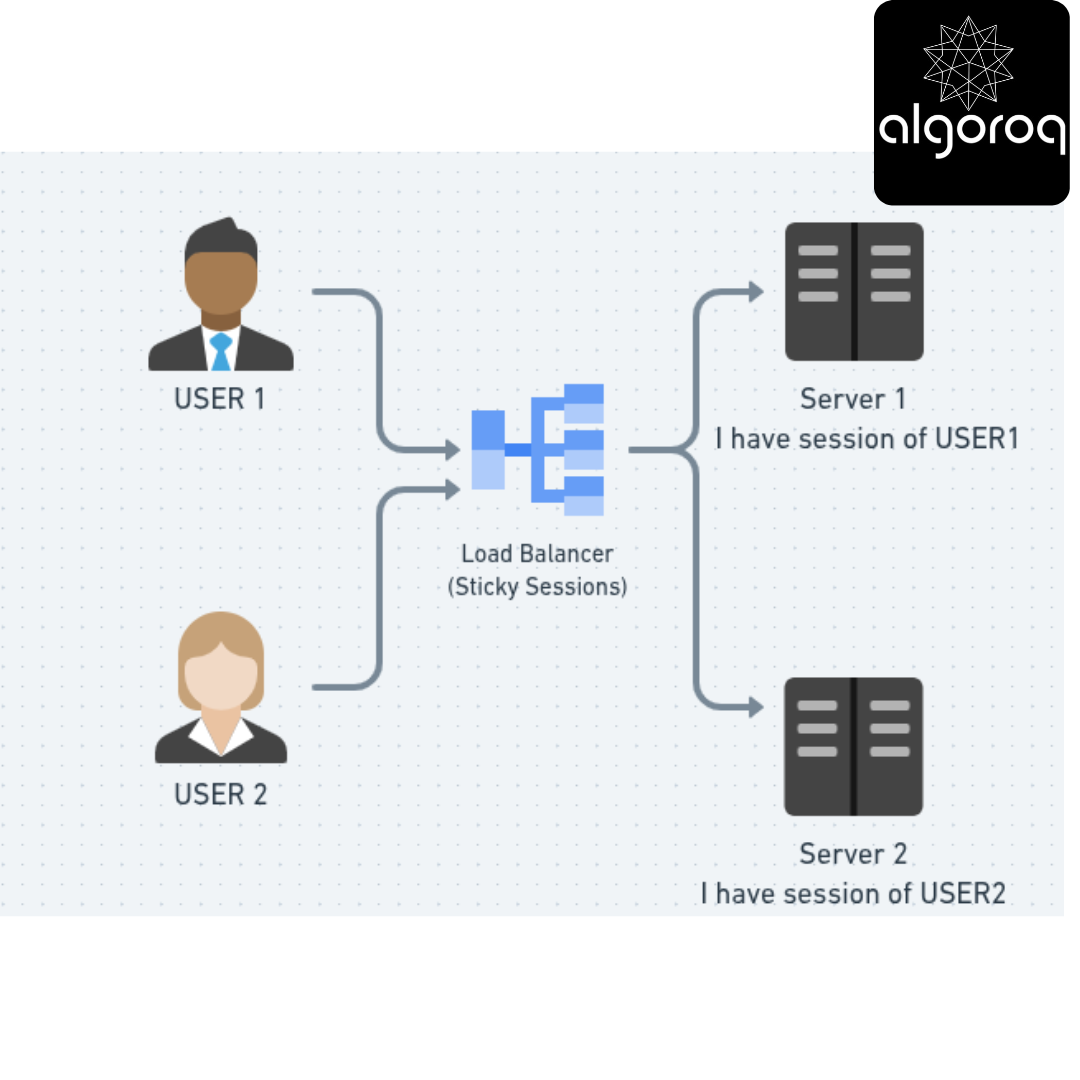
❌ User `1 must always hit Server 1`
❌ Can't easily add more servers
❌ Server restart = lost sessions
❌ Complex load balancing
━━━━━━━━━━━━━━━━━━━━━━━━━━━━━━━━━━━━━━━━
🚀 MODERN STATELESS (2020s)
═══════════════════════════════════════════
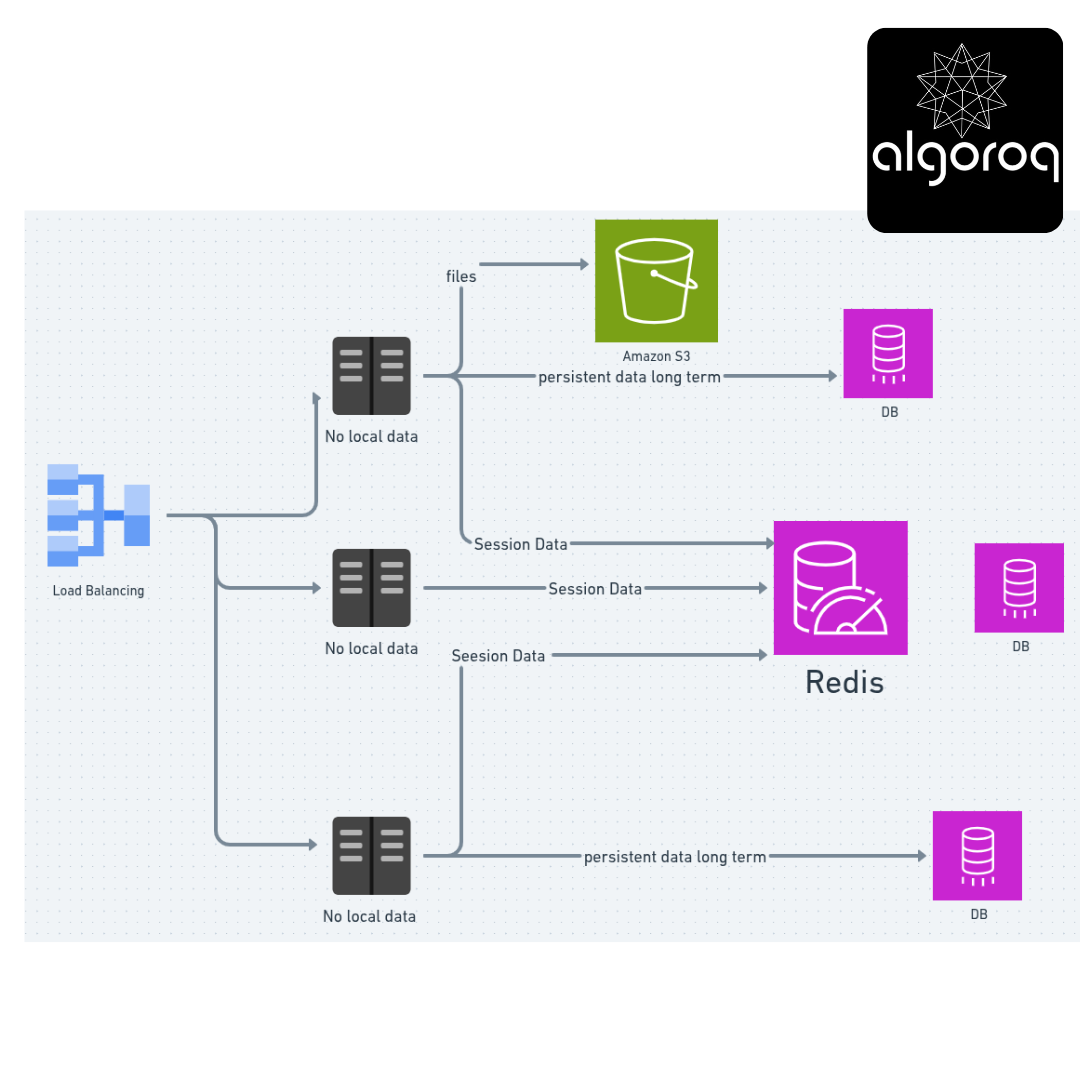
Benefits:
✅ Add/remove servers anytime
✅ Server crashes? No problem!
✅ True horizontal scaling
✅ Simple load balancing
✅ Easy deployment/updates
💡 When to Use Each Approach
✅ USE STATELESS WHEN:
═══════════════════════════════════════
-
Horizontal scaling needed Example: Web applications, APIs
-
High availability required Example: E-commerce, banking
-
Cloud/containerized deployment Example: Kubernetes, microservices
-
Multiple servers expected Example: Anything beyond toy projects
-
You want simple operations Example: Easy deploys, restarts
Real-world: 95% of modern web apps!
━━━━━━━━━━━━━━━━━━━━━━━━━━━━━━━━━━━━━━
⚠️ USE STATEFUL WHEN:
═══════════════════════════════════════
-
Performance critical (local memory is fast)
Example: Gaming servers (player positions)
-
Complex distributed state is overkill
Example: Simple internal tools
-
State is truly server-specific
Example: WebSocket connections (connection IS tied to server)
-
Legacy systems
Example: Migrating old apps
Real-world: 5% of modern web apps
🎯 Design Challenge: Convert Stateful to Stateless
Problem: You have a stateful chat application. Make it stateless!
Original Stateful Design:
Server stores in memory:
-
Active chat connections
-
Unread message counts
-
Typing indicators
-
User online status
Problem: Can't scale! Each user tied to one server.
Your Stateless Solution:
STEP 1: Move connections elsewhere
═══════════════════════════════════════
WebSocket connections stay on servers (This part MUST be stateful)
But use Redis to track which user is on which server: Redis: { "user123": "server-3", "user456": "server-1" }
STEP 2: Move data to shared stores
═══════════════════════════════════════
Redis:
-
Unread counts: "user123:unread" → 5
-
Online status: "user123:online" → true
-
Typing: "room:456:typing" → ["user123"]
STEP 3: Message routing
═══════════════════════════════════════
Use message queue (RabbitMQ/Kafka):
User A (on Server 1) sends message to User B (on Server 2):
Server 1 → Queue → Server 2
↓ [Database] (permanent storage)
FINAL ARCHITECTURE:
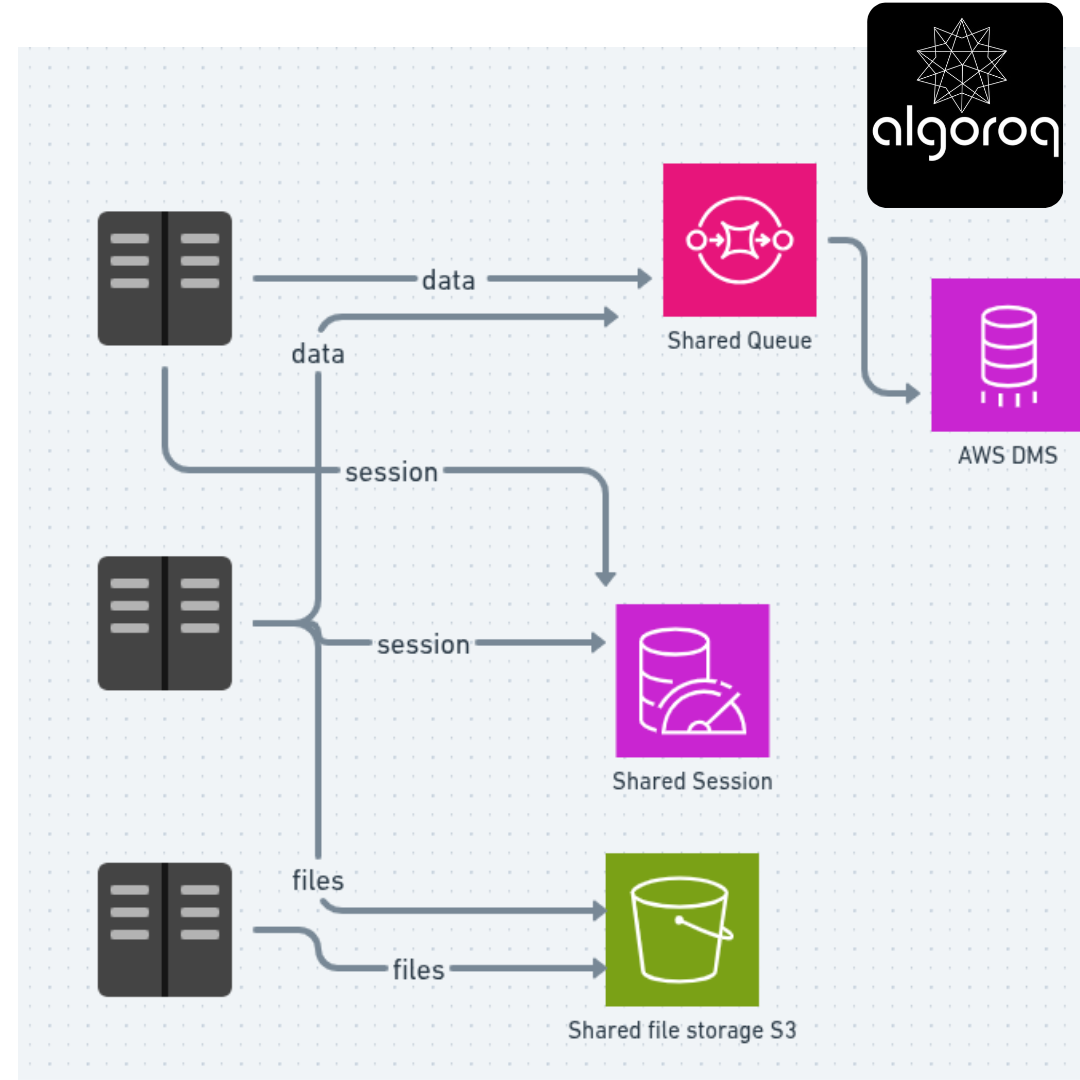
Now: Servers can be added/removed! Users reconnect to any server!
🎪 The Complete Comparison

Winner for modern apps: STATELESS! 🏆
Exception: When performance trumps everything
🔑 Key Takeaways: Stateless vs Stateful
📝 CORE CONCEPTS:
═══════════════════════════════════════
STATE = Information between requests
STATELESS:
• Server doesn't remember you
• Data stored externally (Redis, DB)
• Any server handles any request
• Scales horizontally easily
• Modern best practice
STATEFUL:
• Server remembers you in memory
• Fast but doesn't scale
• User tied to specific server
• Harder to maintain
• Avoid unless necessary
🎯 ONE SENTENCE SUMMARY: "Build stateless servers that store data in shared external systems so any server can handle any request."
🔄 THE PATTERN: Server (stateless) → External Store (state)
Examples:
Web Server → Redis (sessions)
Web Server → Database (user data)
Web Server → S3 (files)
Web Server → Cache (temporary data)
Unlock with Pro
Unlock the full content and everything at this level.
Get Pro — $9/moAlready a member? Log in