Database Acid Properties

ACID Properties - The Four Pillars of Database Reliability
🎯 Challenge 2: The Bank Transfer Mystery
Scenario: You transfer $100 from your account to your friend's account. Mid-transfer, the database server crashes!
What should happen to prevent disaster? A. $100 disappears from both accounts (lost money!) B. $100 removed from your account but never added to friend's (you lose $100!) C. $100 added to friend's account but not removed from yours (free money!) D. The entire transfer is cancelled, and both accounts return to original state
Think carefully... What protects users from database failures?
The Answer: ACID Properties Ensure Option D!
ACID is like a safety net for critical operations. Let's break down each letter:
A is for ATOMICITY: All or Nothing
Real-world parallel: Imagine buying a TV online:
Without Atomicity (Disaster!):
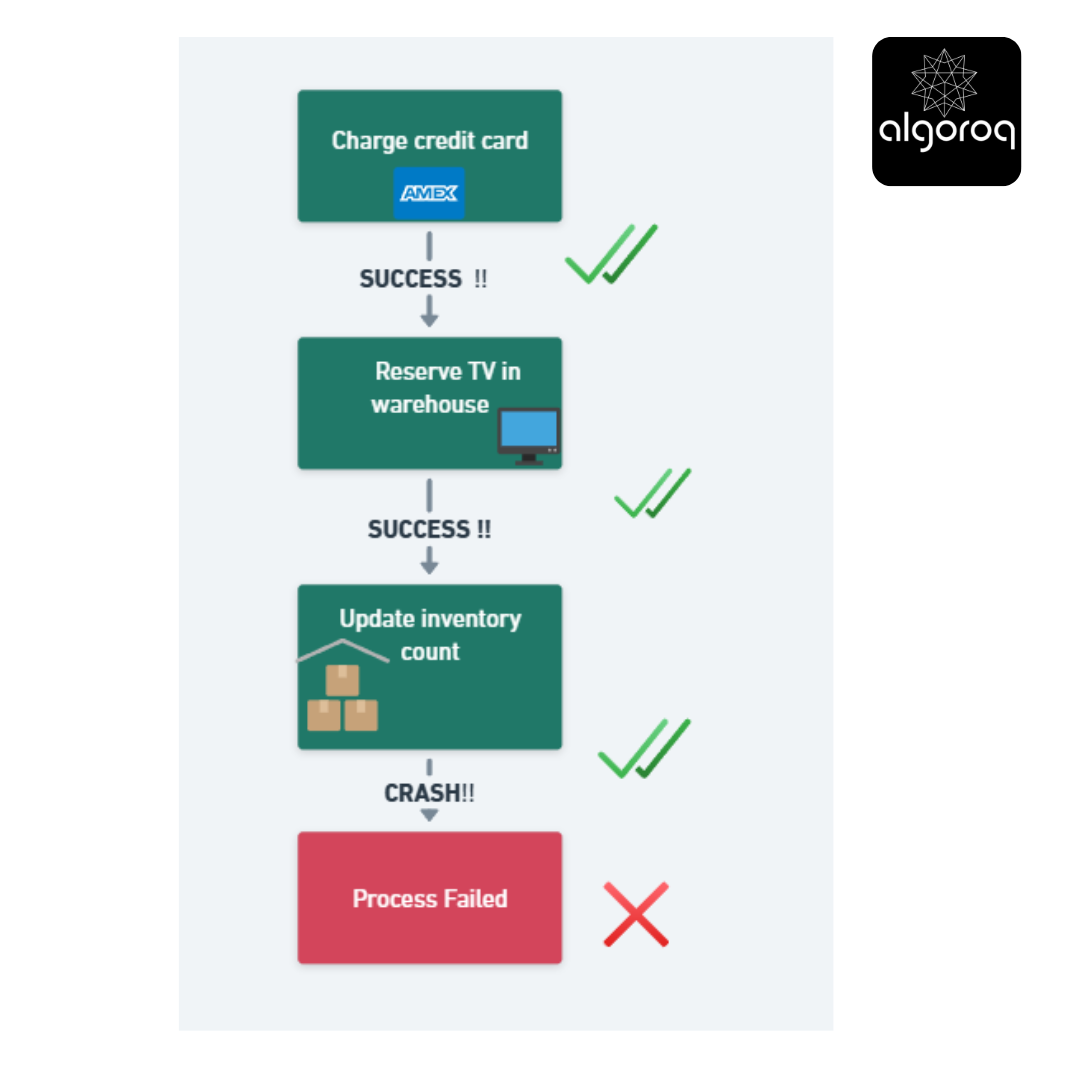
Result: You paid, TV is reserved, but the system thinks it's still in stock. Chaos!! Isn’t it?
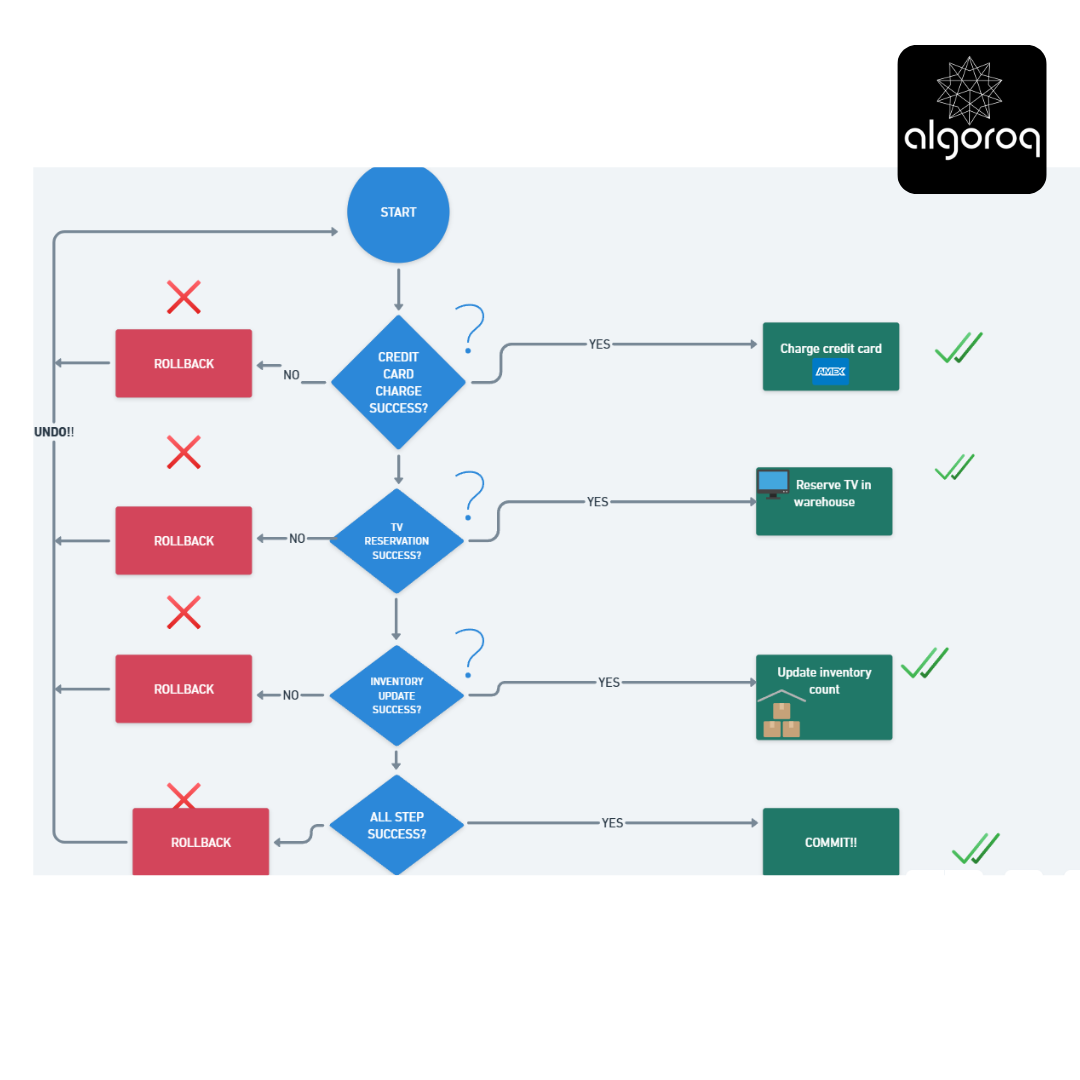
With Atomicity (Protected!):
Transaction begins:
Step 1: Charge credit card
Step 2: Reserve TV
Step 3: Update inventory
IF all steps succeed → COMMIT (make it permanent)
IF any step fails → ROLLBACK (undo everything)
The bank transfer example:
If crash happens mid-transaction: Database automatically rolls back BOTH updates. Your $100 stays in your account, friend gets nothing. No money lost or duplicated!
Mental model: Atomicity is like a light switch - it's either completely ON or completely OFF. There's no half-lit room. A transaction is either fully completed or fully cancelled.
Key insight: Atomicity prevents partial operations that would leave data in an inconsistent state!
C is for CONSISTENCY: Rules Must Be Followed
Real-world parallel: Imagine a university enrollment system with a rule: "No student can be enrolled in more than 5 courses."
Without Consistency (Rule Breaking!):
Student already has 5 courses
System tries to add 6th course → ✓ ALLOWED
Rule violated! Student overloaded!
With Consistency (Rules Enforced!):
Student already has 5 courses
System tries to add 6th course → ✗ REJECTED
Error: "Student cannot exceed 5 courses"
Student stays at 5 courses ✓
Database rules (constraints):
-
Primary keys must be unique (we will learn about primary and foreign keys in upcoming sections)
-
Foreign keys must reference existing records
-
Balance cannot go negative
-
Age must be a positive number
-
Email must be unique
Example with bank accounts:
Rule: Balance cannot go negative
-- Database says NO! This would make balance = -500 Transaction REJECTED to maintain consistency
Mental model: Consistency is like a bouncer at a club checking IDs. If you don't meet the requirements (rules), you're not getting in! The database is the bouncer ensuring all rules are followed.
Key insight: Consistency ensures the database moves from one valid state to another valid state, never breaking its own rules!
I is for ISOLATION: No Interference**
The Coffee Shop Problem:
Scenario: You and your friend both try to buy the last croissant at the same time.
Without Isolation (Disaster!):
You: Check stock → 1 croissant available ✓
Friend: Check stock → 1 croissant available ✓
You: Buy it! → Success (stock = 0)
Friend: Buy it! → Success (stock = -1) 😱
Result: Two people bought one croissant! Negative inventory!
With Isolation (Protected!):
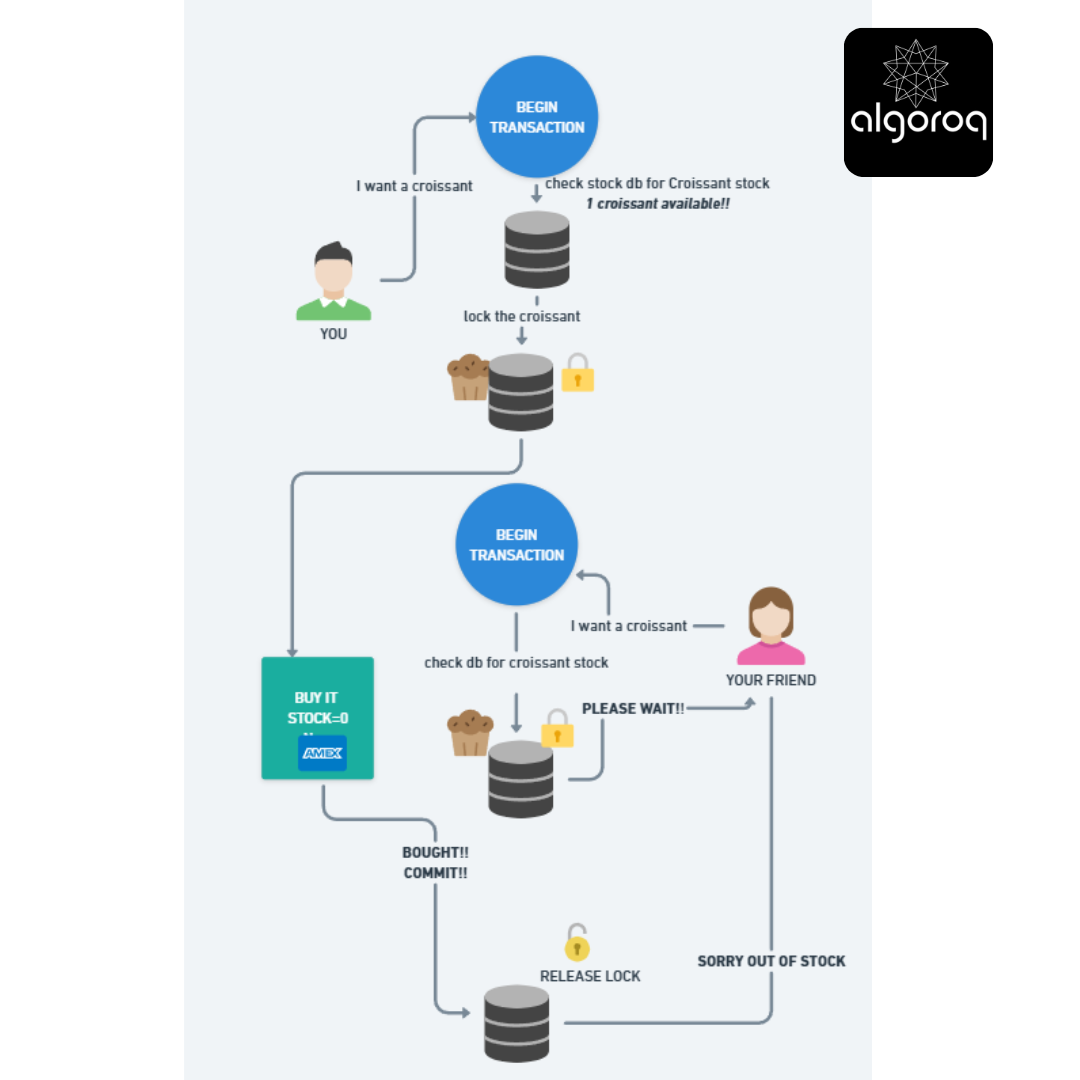
Database example - Concert ticket sales:
User A and User B try to buy the last ticket simultaneously
User A:BEGIN TRANSACTION;
Returns: 1 seat
Database LOCKS this row
User B (tries at the same time)
Must WAIT for User A's transaction to complete
After A commits,
B sees: 0 seats
B's purchase fails ✓
Isolation Levels (How strict is the isolation?):
Read Uncommitted (Least strict)
- Can see changes from other transactions before they commit
- Like reading someone's draft email while they're still writing it
- Fast but risky!
Read Committed (Common default)
- Can only see changes after other transactions commit
- Like only reading sent emails, not drafts
- Good balance
Repeatable Read
- Same query always returns same data during your transaction
- Like reading a frozen snapshot
- Very safe
Serializable (Most strict)
- Transactions run as if they were completely alone
- Like having exclusive access to the database
- Slowest but safest
Mental model: Isolation is like phone booth conversations - you don't want two conversations interfering with each other! Each transaction gets its own "booth" to work in.
Key insight: Isolation prevents concurrent transactions from interfering with each other and causing data corruption!
🅳 D is for DURABILITY: Permanent and Safe
The Power Outage Scenario:
You just transferred $1,000 and got confirmation: "Transfer successful!"
Suddenly: ⚡ Power outage! Server crashes! 💥
Question: Is your transfer saved or lost?
Without Durability (Nightmare!):
Transaction completed → "Success" shown System crashes before writing to disk Data stored only in RAM → LOST! You restart → Transfer never happened 😱
With Durability (Protected!):
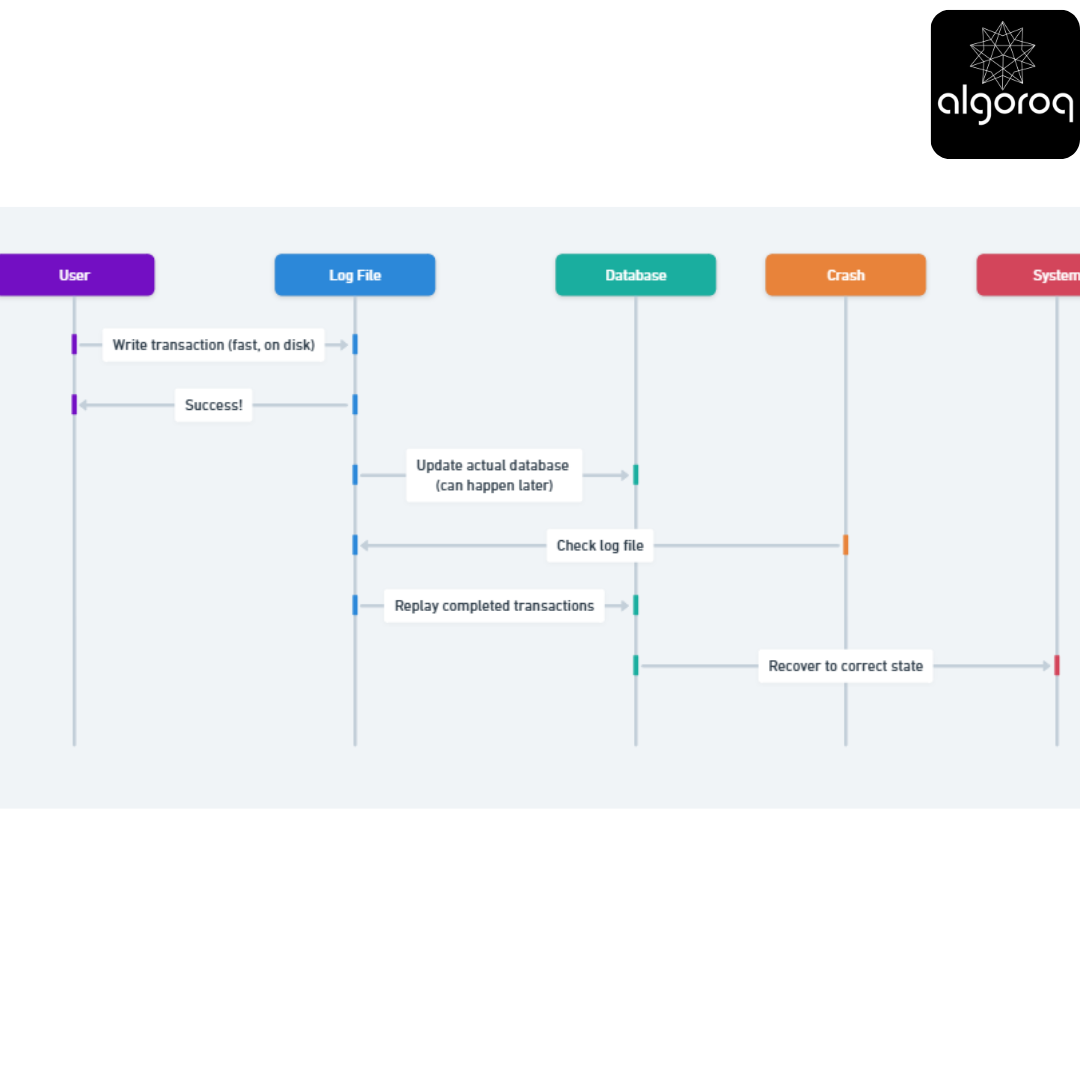
Transaction completed → IMMEDIATELY written to disk Multiple copies stored (redundancy) Even if system crashes → Data is PERMANENT You restart → Transfer is there ✓
How databases ensure durability:
Write-Ahead Logging (WAL):
Mental model: Durability is like signing a legal contract. Once it's signed and filed, even if the building burns down, the contract exists (because copies are stored safely). Your database transaction is the same!
Real-world parallel: Think of saving a document:
- Without Durability: "Saved!" but only in RAM. Crash = lost work 😢
- With Durability: "Saved!" and immediately written to hard drive. Crash = work is safe ✓
Key insight: Durability guarantees that once a transaction is committed, it's permanent - even if power fails, servers crash, or disasters strike!
🎪 ACID Together: The Complete Safety System
The bank transfer example with ALL ACID properties:
Transfer $100 from Alice to Bob:
🅰️ ATOMICITY: Both updates happen or neither happens
🅲 CONSISTENCY: Alice must have $100 (can't go negative) Total money in system stays the same
I ISOLATION: If Carol also transfers to Bob simultaneously, transactions don't interfere with each other
🅳 DURABILITY: Once confirmed, transfer is permanent even if server crashes immediately after
Protected by:
✓ All-or-nothing execution
✓ Rules enforced (balances valid)
✓ No interference from other transfers
✓ Permanent once confirmed
💡 Challenge: ACID or Not ACID?
Scenario 1: Social media "likes" counter
- Thousands of people like simultaneously
- Occasional miscount of +/- 1 is acceptable
- Speed is critical
ACID needed? 🤔
Answer: NO!
- Eventual consistency is fine
- NoSQL databases often trade ACID for speed/scale
- Called "BASE" properties (Basically Available, Soft state, Eventually consistent)
Scenario 2: Medical prescription system
- Doctor prescribes medication
- Must update patient record AND pharmacy inventory
- No room for error
ACID needed? 🤔
Answer: YES! ✓
- Patient safety depends on accuracy
- Both updates must succeed or fail together
- Need full ACID guarantees
Key Takeaways
- ACID guarantees data integrity in transactions — Atomicity (all or nothing), Consistency (valid state), Isolation (concurrent safety), Durability (permanent writes)
- Atomicity ensures partial failures don't corrupt data — if any step in a transaction fails, all steps are rolled back
- Isolation levels trade consistency for performance — Read Uncommitted is fastest but riskiest, Serializable is safest but slowest
- Durability means committed data survives crashes — achieved through write-ahead logging (WAL) and flushing to disk
- NoSQL databases often relax ACID guarantees for scalability — offering BASE (Basically Available, Soft state, Eventually consistent) instead
Log in to keep reading
Create a free account to keep reading and track your progress.
Log in — it's free