Load Balancing

Load Balancing
Distributing incoming traffic across multiple servers so no single machine becomes a bottleneck — the gateway to horizontal scaling.
Load Balancing Basics - The Traffic Director
🎯 Challenge 4: The Restaurant Host Problem
Scenario: You own a restaurant with 5 identical dining rooms. Customers arrive at the entrance.
Without a host:
Entrance │
▼
Room 1: ████████████ (packed, 30 min wait)
Room 2: ████ (some people)
Room 3: ████████████ (packed)
Room 4: ██ (almost empty!)
Room 5: ████████████ (packed)
Problem: Customers just pick random rooms! Result: Long waits, unhappy customers, empty tables
With a smart host:
Entrance
│
▼
Host (sees all rooms, directs customers smartly)
├─→ Room 1: ██████ (balanced)
├─→ Room 2: ██████ (balanced)
├─→ Room 3: ██████ (balanced)
├─→ Room 4: ██████ (balanced)
└─→ Room 5: ██████ (balanced)
Result: No waits, happy customers, efficient!
This is exactly what a Load Balancer does!
🏗️ What is Load Balancing?
Definition: A load balancer is like a smart traffic director that distributes incoming requests across multiple servers.
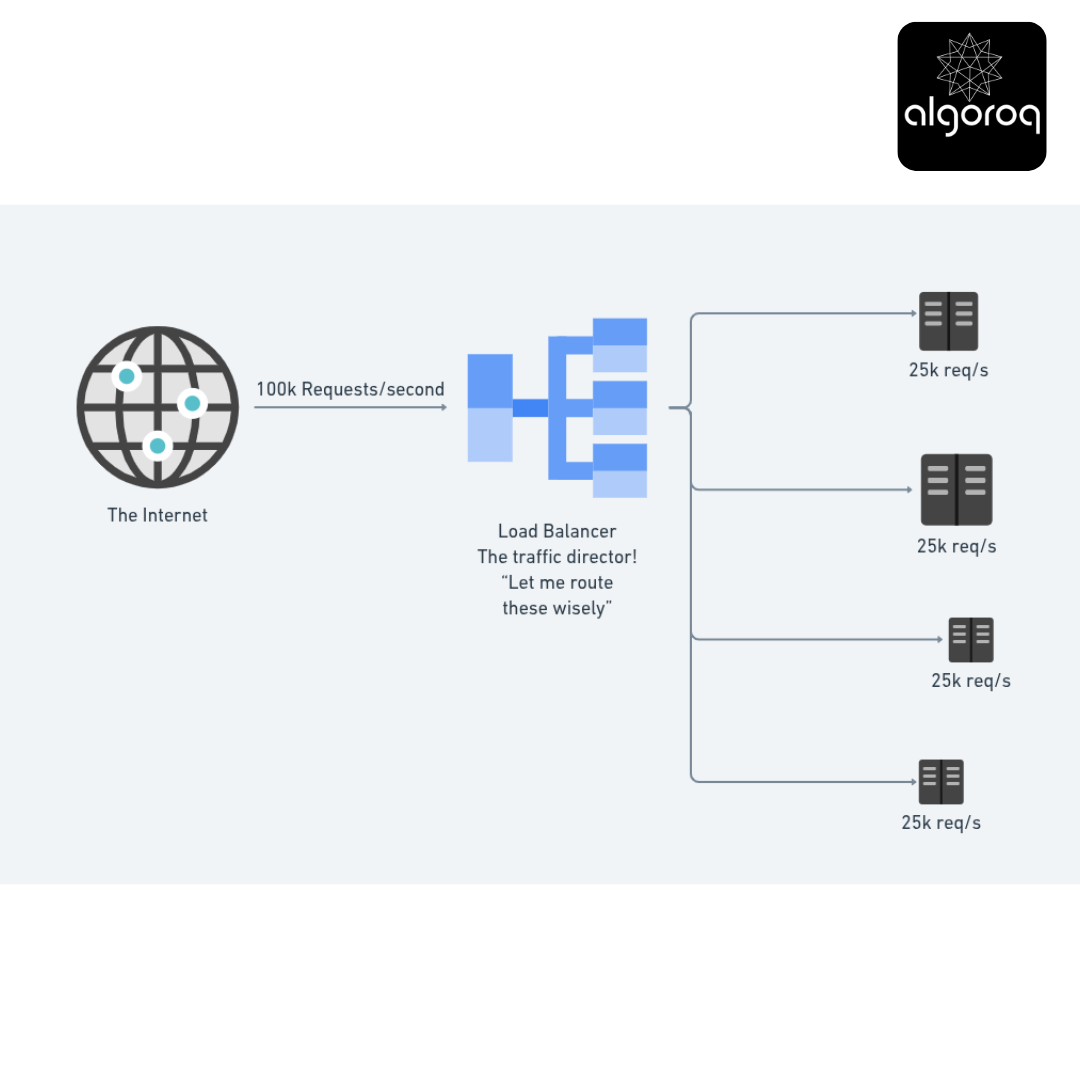
All servers: Happy and balanced!
Key insight: Load balancers prevent any single server from being overwhelmed!
🎮 Interactive Exercise: Load Balancing Algorithms
Scenario: You have 3 servers. 9 requests arrive. How do you distribute them?
Let's explore different strategies:
Algorithm 1: Round Robin 🔄
How it works: "Take turns, like dealing cards"
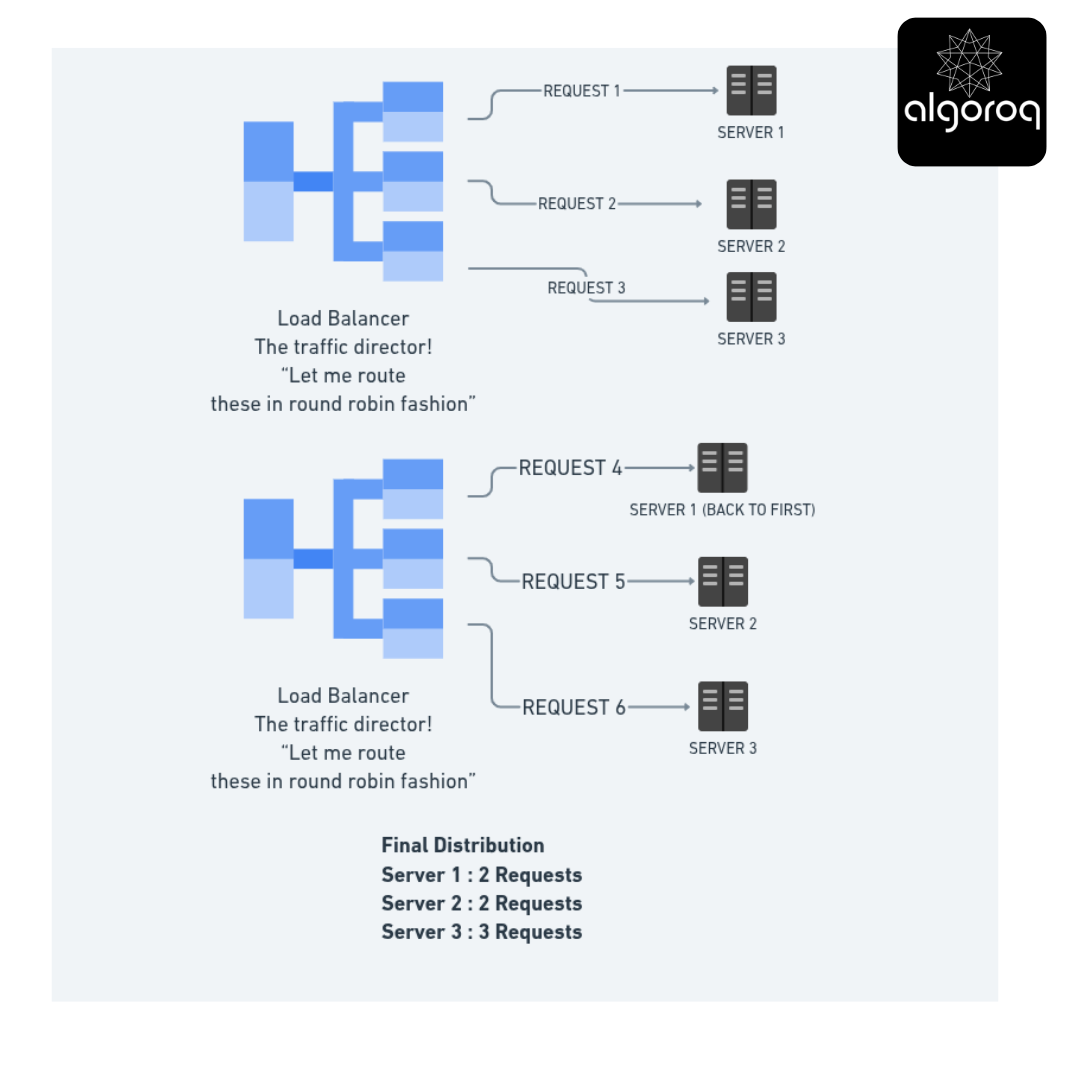
Perfect equality!
Pros: Simple, fair, easy to implement Cons: Doesn't consider server load or speed
Real-world example: Like handing out homework to students in seat order
Algorithm 2: Least Connections 📊
How it works: "Send to whoever is least busy right now"
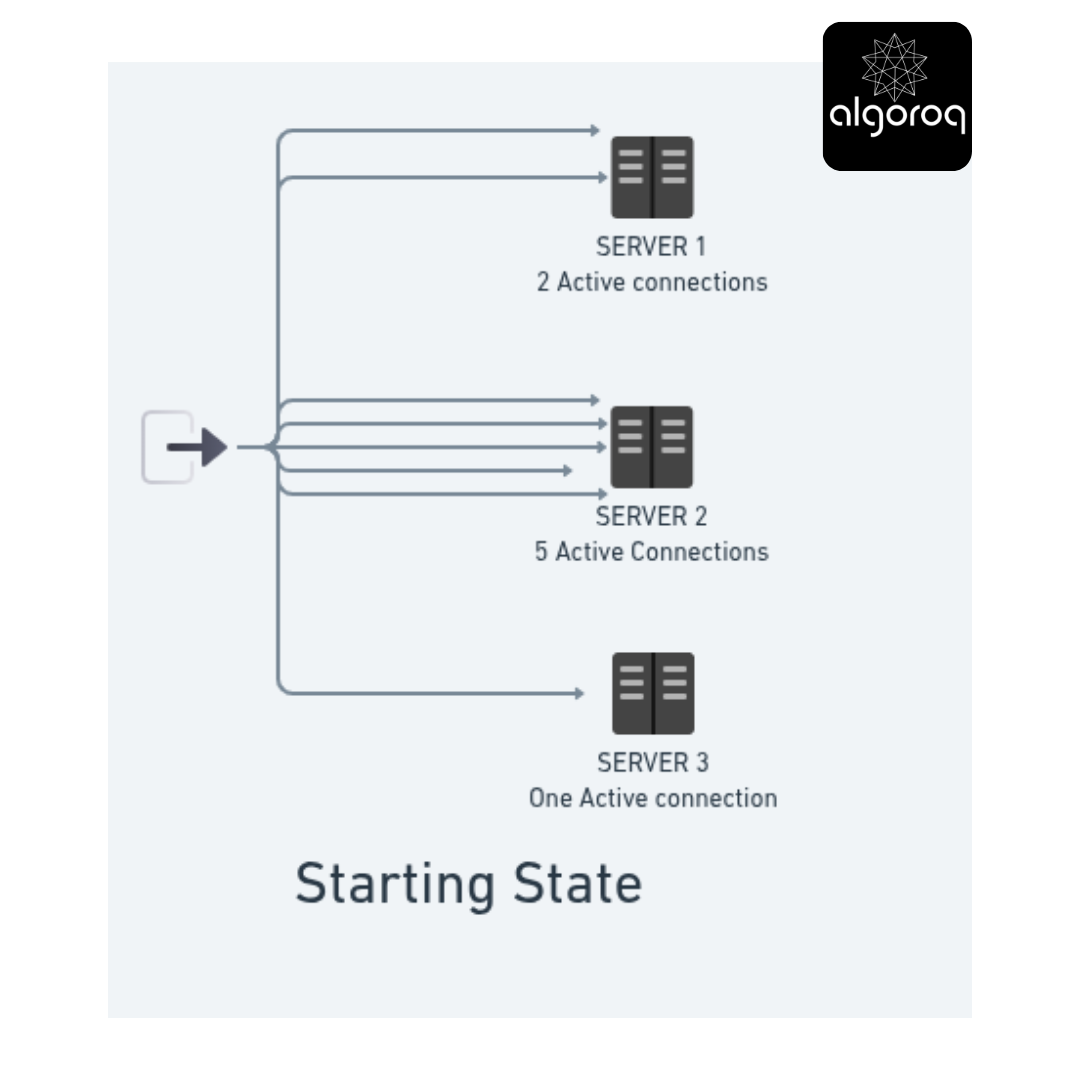
Starting state:
Server 1: 2 active connections
Server 2: 5 active connections
Server 3: 1 active connection
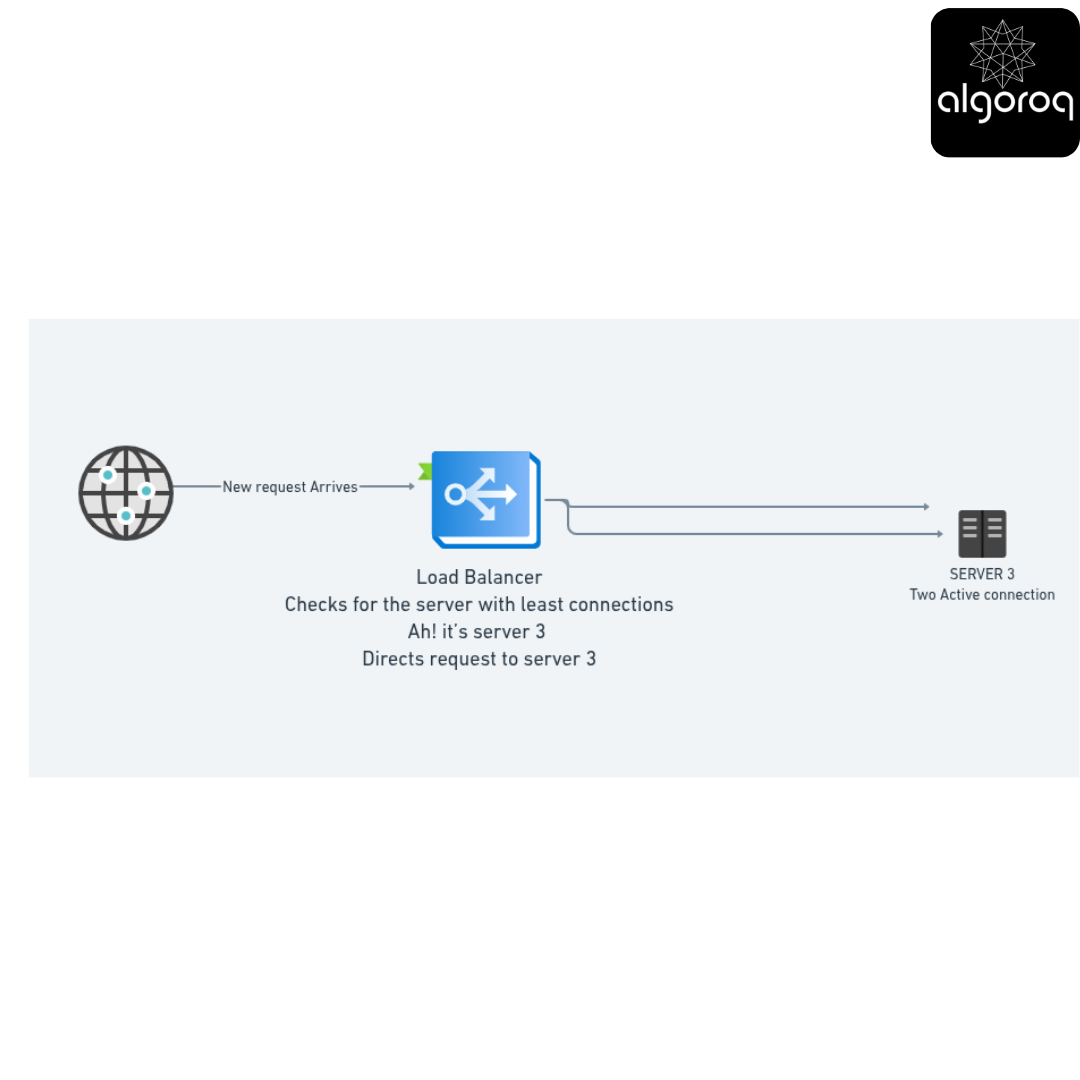
New request arrives:
→ Check all servers
→ Server 3 has fewest connections (1)
→ Send request to Server 3!
Pros: Accounts for different request durations
Cons: Slightly more complex, needs to track connections
Real-world example: Like a grocery store checkout - you join the shortest line!
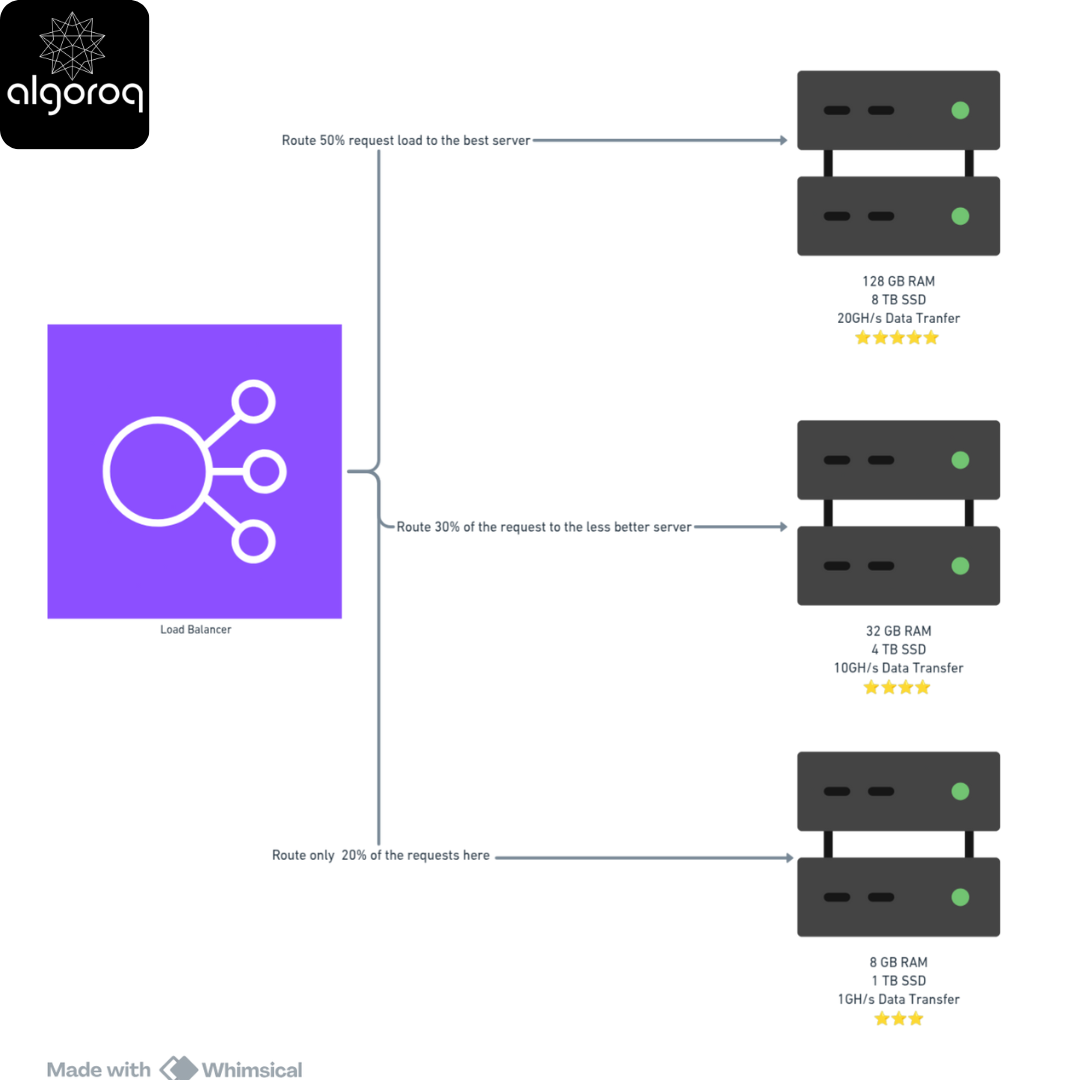
Algorithm 3: Weighted Distribution ⚖️
How it works: "Better servers get more work"
Server setup:
Server 1: Power rating 5 (newest, most powerful)
Server 2: Power rating 3 (medium)
Server 3: Power rating 2 (older, slower)
Total power: 10
Distribution ratio: 5:3:2
For 100 requests:
Server 1 gets: 50 requests (50%)
Server 2 gets: 30 requests (30%)
Server 3 gets: 20 requests (20%)
Pros: Utilizes hardware differences efficiently
Cons: Requires knowing server capabilities
Real-world example: Like a restaurant assigning more tables to experienced waiters
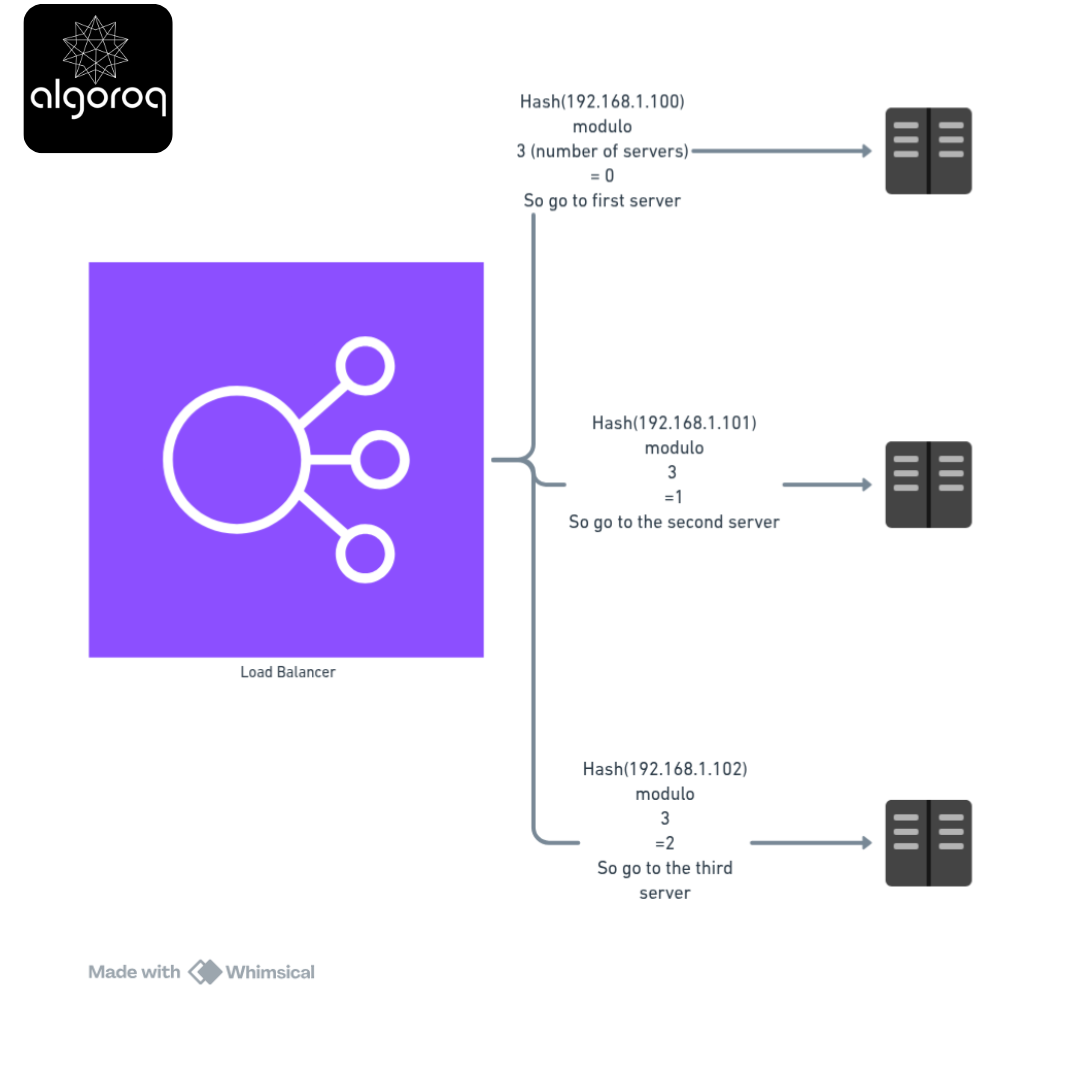
Algorithm 4: IP Hash 🔐
How it works: "Same client always goes to same server"
How hashing works:
User IP: 192.168.1.100
→ Hash function: hash(192.168.1.100) = 347
→ 347 % 3 = 2 (modulo number of servers)
→ Always routes to Server 2!
Same user's next request:
→ hash(192.168.1.100) = 347 (same!)
→ 347 % 3 = 2
→ Server 2 again!
Different user IP: 192.168.1.101
→ hash(192.168.1.101) = 892
→ 892 % 3 = 1
→ Routes to Server 1
Pros:
- Session persistence (user's data cached on one server)
- Predictable routing
Cons:
- Uneven distribution if many users from same IP range
- Server failure requires rehashing
Real-world example: Like having a regular doctor - you always see the same one who knows your history
💡 Types of Load Balancers: Layer 4 vs Layer 7
🔌 LAYER 4 (Network Load Balancer)
═══════════════════════════════════════
Works at: TCP/UDP level
Sees: IP addresses, ports
Fast: Very (just forwards packets)
Smart: Not very
Example decision:
Use when: Raw speed needed, simple TCP routing
━━━━━━━━━━━━━━━━━━━━━━━━━━━━━━━━━━━━━━━━━━━
🌐 LAYER 7 (Application Load Balancer)
═══════════════════════════════════════
Works at: HTTP/HTTPS level
Sees: URLs, headers, cookies, content
Fast: Slower (must read HTTP)
Smart: Very!
Example decision: "This request is for /api/users" → Route to API servers
"This request is for /images/cat.jpg" → Route to image servers
Internet │ ▼ ┌─────────┐ │ Layer 7 │ "GET /api/users" │ LB │ → Route to API cluster └─────────┘ │ "GET /static/logo.png" │ → Route to CDN servers │ ┌────┴─────┐ ▼ ▼
[API Servers] [Static Servers]
Use when: Need smart routing by content
Real-world comparison:
-
Layer 4: Like a highway toll booth - just directs cars, doesn't care what's inside
-
Layer 7: Like a smart receptionist - reads your request and directs you to the right department
🚨 Common Misconception: "Load Balancers Never Fail"
You might think: "Great! Load balancer solves everything!"
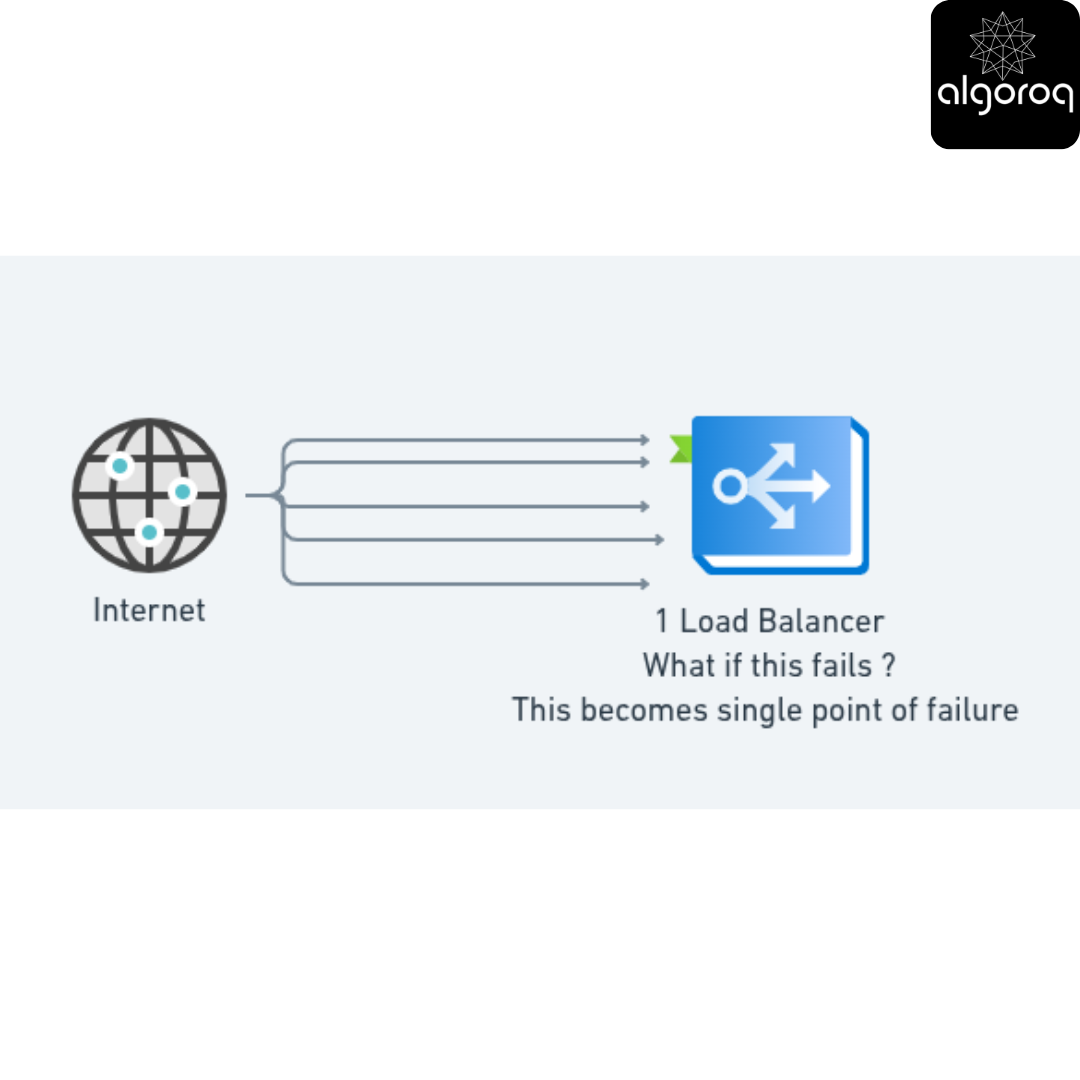
The Reality: Load balancers themselves can fail or become bottlenecks!
The Solution: Multiple Load Balancers!
❌ SINGLE LOAD BALANCER (Risky!)
═════════════════════════════════
━━━━━━━━━━━━━━━━━━━━━━━━━━━━━━━━━━━━━
✅ REDUNDANT LOAD BALANCERS (Safe!)
═════════════════════════════════
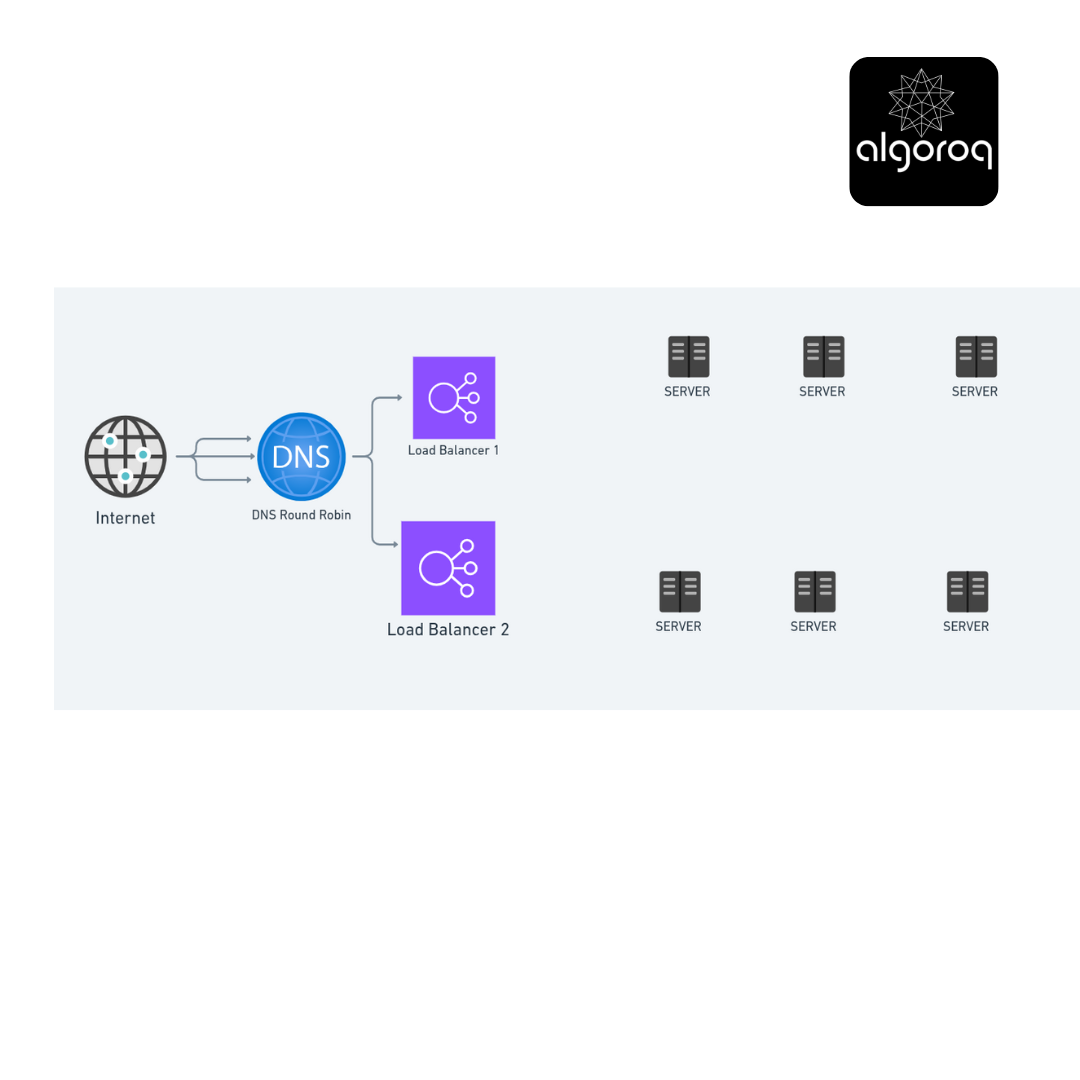
Safety: If LB 1 fails, LB 2 continues!
🎪 Real-World Load Balancing Architecture
Let's see how a real company like Netflix might structure their load balancing:
🌍 GLOBAL ARCHITECTURE
═══════════════════════════════════════════
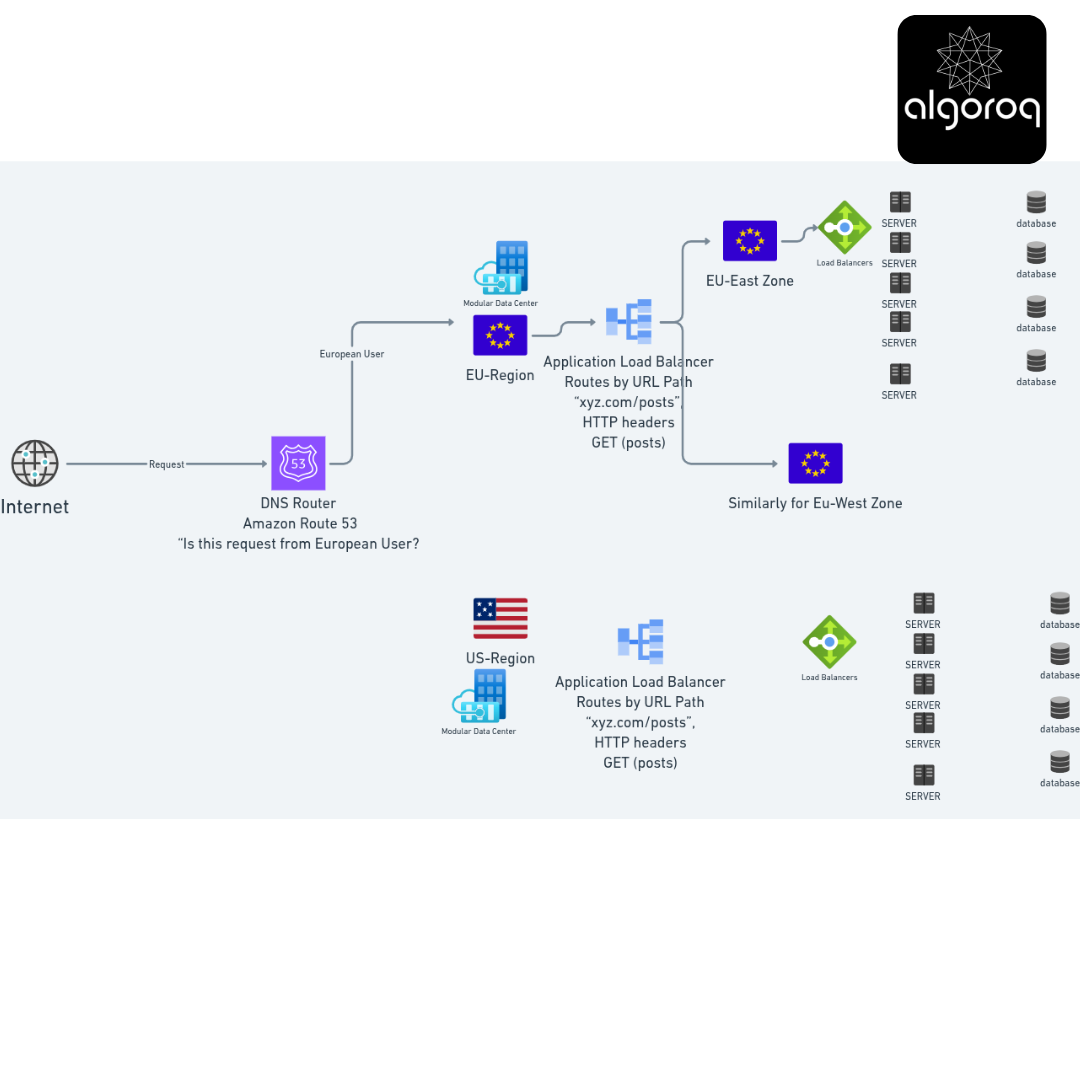
Each zone has:
├─ Layer 4 Load Balancer (Network LB) ← Third layer: TCP routing
├─ 50+ Web Servers
├─ 20+ API Servers
└─ 10+ Database Read Replicas
Why multiple layers?
-
DNS Layer: Routes by geography (latency optimization)
-
Application Layer (L7): Routes by URL path, HTTP headers
-
Network Layer (L4): Raw TCP connection distribution
🔍 Investigation: What Happens When a Server Dies?
Scenario: You have 4 servers behind a load balancer. Server 3 crashes.
Without Health Checks:
Load Balancer: "Round robin time!"
Request 1 → Server 1 ✅ (works)
Request 2 → Server 2 ✅ (works)
Request 3 → Server 3 ❌ (DEAD! User sees error)
Request 4 → Server 4 ✅ (works)
Request 5 → Server 1 ✅ (works)
Request 6 → Server 2 ✅ (works)
Request 7 → Server 3 ❌ (STILL DEAD! Another error)
Result: 25% of requests fail! 😡
With Health Checks (Smart!):
Health Check Configuration:
-
Check every 10 seconds
-
Send HTTP GET to /health
-
Expect 200 OK response
-
If fails 3 times → Mark unhealthy
Timeline: 10:00:00 - Server 3 crashes
10:00:10 - Health check fails (1/3)
10:00:20 - Health check fails (2/3)
10:00:30 - Health check fails (3/3) → REMOVED!
Load Balancer: "Server 3 is out! Skip it!"
Request 1 → Server 1 ✅
Request 2 → Server 2 ✅
Request 3 → Server 4 ✅ (skipped dead Server 3!)
Request 4 → Server 1 ✅
Request 5 → Server 2 ✅
Result: 0% failures! 🎉
10:05:00 - Server 3 comes back online 10:05:10 - Health check succeeds (1/3) 10:05:20 - Health check succeeds (2/3) 10:05:30 - Health check succeeds (3/3) → ADDED BACK!
Load Balancer: "Welcome back, Server 3!"
Key insight: Health checks are CRITICAL for reliability!
🎯 Decision Game: Choose Your Algorithm
For each scenario, pick the best load balancing algorithm:
Scenario A: Simple website, all servers identical
Scenario B: Video encoding - jobs take 5 seconds to 5 minutes
Scenario C: Shopping cart - need same user to hit same server
Scenario D: 1 new powerful server + 2 older slower servers
Scenario E: API with completely independent requests
Think carefully...
ANSWERS:
Scenario A: ROUND ROBIN ✓
Why: Servers identical, simple is best
Scenario B: LEAST CONNECTIONS ✓
Why: Job duration varies widely, need dynamic balancing
Scenario C: IP HASH ✓
Why: Session persistence required for cart data
Scenario D: WEIGHTED ✓
Why: Different server capabilities
Config: New server weight=5, old servers weight=2 each
Scenario E: ROUND ROBIN or RANDOM ✓
Why: Stateless, any algorithm works fine
🎪 The Complete Picture: Load Balancer Features
MODERN LOAD BALANCER CAPABILITIES
═══════════════════════════════════════
✅ Traffic Distribution
├─ Round Robin
├─ Least Connections
├─ Weighted
└─ IP Hash
✅ Health Monitoring
├─ HTTP health checks
├─ TCP health checks
├─ Custom health endpoints
└─ Automatic server removal/re-addition
✅ SSL/TLS Termination
├─ Handle HTTPS encryption
├─ Decrypt at load balancer
└─ Send plain HTTP to backend (reduces server CPU load)
✅ Sticky Sessions
├─ Cookie-based routing
└─ Keep user on same server
✅ Rate Limiting
├─ Protect from DDoS
└─ Throttle aggressive clients
✅ Geographic Routing
├─ Route EU users to EU servers
└─ Minimize latency
✅ Content-Based Routing
├─ /api/* → API servers*
├─ /images/* → Image servers*
└─ /admin/* → Admin servers*
✅ Metrics & Logging
├─ Request counts
├─ Response times
└─ Error rates
🔑 Key Takeaways: Load Balancing
📝 REMEMBER:
═══════════════════════════════════════
1️⃣ Load balancers distribute traffic across servers
2️⃣ Multiple algorithms for different needs:
• Round Robin → Simple rotation
• Least Connections → Dynamic balancing
• Weighted → Different server capabilities
• IP Hash → Session persistence
3️⃣ Health checks prevent routing to dead servers
4️⃣ Layer 4 = Fast & simple (TCP/IP) Layer 7 = Smart & content-aware (HTTP)
5️⃣ Load balancers themselves need redundancy!
6️⃣ Essential for horizontal scaling
Load Balancing Algorithms Comparison
| Algorithm | How it works | Best for | Drawback |
|---|---|---|---|
| Round Robin | Rotate through servers sequentially | Equal servers, stateless requests | Ignores server load |
| Least Connections | Route to server with fewest active connections | Varying request durations | Slightly more overhead |
| Weighted Round Robin | Rotate with proportional weight per server | Mixed hardware capabilities | Must configure weights manually |
| IP Hash | Hash client IP to pick server | Session stickiness without cookies | Uneven if IP distribution is skewed |
| Least Response Time | Route to fastest responding server | Latency-sensitive applications | Requires constant health monitoring |
| Random | Pick a server randomly | Simple systems with equal servers | No intelligence at all |
Layer 4 vs Layer 7
| Feature | Layer 4 (Transport) | Layer 7 (Application) |
|---|---|---|
| Operates on | TCP/UDP packets | HTTP requests |
| Speed | Faster (no content inspection) | Slower (reads headers/body) |
| Routing decisions | IP + port only | URL path, headers, cookies, body |
| Use case | Raw throughput, non-HTTP | Content-based routing, API gateways |
| Example | AWS NLB | AWS ALB, Nginx, HAProxy |
Log in to keep reading
Create a free account to keep reading and track your progress.
Log in — it's free