Latency vs Throughput

Latency vs Throughput
Two metrics that define system performance — how fast a single request completes and how many requests the system handles per second.
⚡ Latency vs Throughput: The Highway Story
This is one of the most misunderstood concepts in system design. Let's clear it up with a story.
The Road Trip Analogy
Imagine you need to transport 100 people from City A to City B:
Scenario 1: The Ferrari Approach (Low Latency)
Use a Ferrari: ━━━━━━━━━━━━━━━━━━━━━━━━━━━━━━━
Speed: 200 mph (VERY FAST!) Seats: 2 people per trip
Trip 1: Drive 2 people (30 minutes)
Trip 2: Drive 2 people (30 minutes)
Trip 3: Drive 2 people (30 minutes)
... Trip 50: Drive last 2 people (30 minutes)
Total time: 25 hours
First person arrives: After 30 minutes ✓ (Low latency!) Last person arrives: After 25 hours ❌ (Low throughput!)
Latency:
How long ONE person takes to arrive (30 minutes)
✓ Throughput: How many people arrive per hour (4 people/hour) ❌
Scenario 2: The Bus Approach (High Throughput)
Use a Bus:
━━━━━━━━━━━━━━━━━━━━━━━━━━━━━━━
Speed: 60 mph (slower)
Seats: 50 people per trip
Trip 1: Drive 50 people (1 hour)
Trip 2: Drive 50 people (1 hour)
Total time: 2 hours
First person arrives: After 1 hour ❌ (Higher latency!)
Last person arrives: After 2 hours ✓ (High throughput!)
Latency: How long ONE person takes to arrive (1 hour)
❌ Throughput: How many people arrive per hour (50 people/hour) ✓
The Key Insight
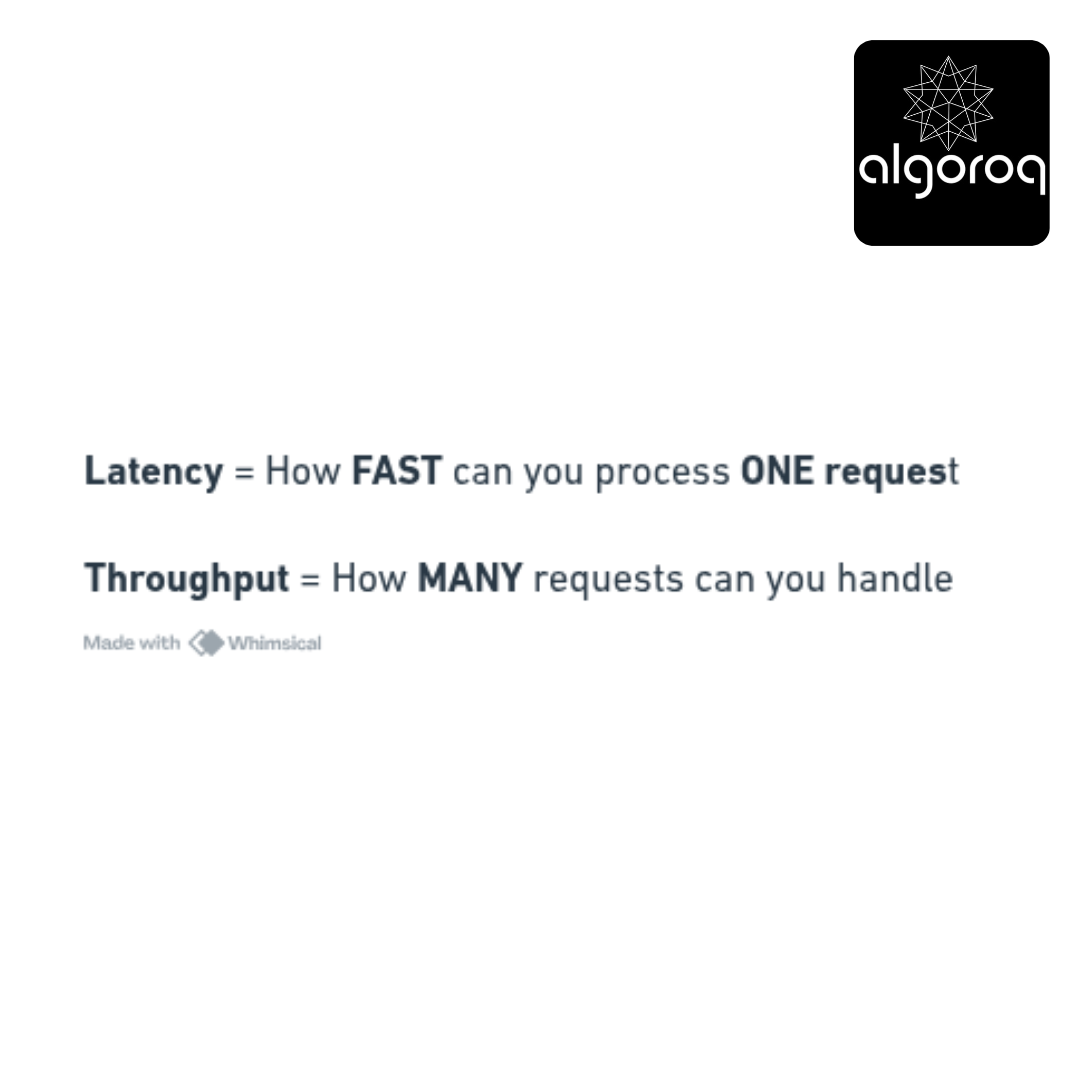
Think of it this way:
- Latency: The speed of ONE trip
- Throughput: The volume over time
Real System Examples
Example 1: Web Server Comparison
Server A: Optimized for Low Latency
━━━━━━━━━━━━━━━━━━━━━━━━━━━━━━━━━━
Response time per request: 10ms (FAST!) Concurrent requests: 100 Requests per second: 100 ÷ 0.01 = 10,000/sec
Great for: Real-time applications, APIs Use case: Stock trading, gaming
Server B: Optimized for High Throughput
━━━━━━━━━━━━━━━━━━━━━━━━━━━━━━━━━━━━━━
Response time per request: 100ms (slower) Concurrent requests: 10,000 Requests per second: 10,000 ÷ 0.1 = 100,000/sec
Great for: Batch processing, data pipelines Use case: Analytics, video encoding
Connection to TCP: Remember TCP's flow control with sliding windows? That's managing throughput! TCP adjusts how much data flows based on network capacity. But each individual packet still has latency (round-trip time). TCP optimizes for reliable throughput, not necessarily lowest latency.
Example 2: Database Query Design
Let's see a real scenario:
Task: Fetch 1 million user records
━━━━━━━━━━━━━━━━━━━━━━━━━━━━━━━━
Approach A: Low Latency (One at a time)
───────────────────────────────────────
Latency per user: 5ms (2ms query + 1ms process + 2ms network) Throughput: 1,000,000 users ÷ 5ms = 200 users/second Total time: 5,000 seconds (83 minutes!) ❌
Approach B: High Throughput (Batches)
────────────────────────────────────
Latency for first batch: 100ms (slower per user!) Throughput: 10,000 users/batch × 10 batches/sec = 100,000 users/sec Total time: 10 seconds (Much better!) ✓
The Tradeoff:
Individual user latency INCREASED (5ms → 100ms) But overall throughput INCREASED 500x!
Sometimes you sacrifice latency for throughput!
The Water Pipe Analogy
This is a way to explain it:
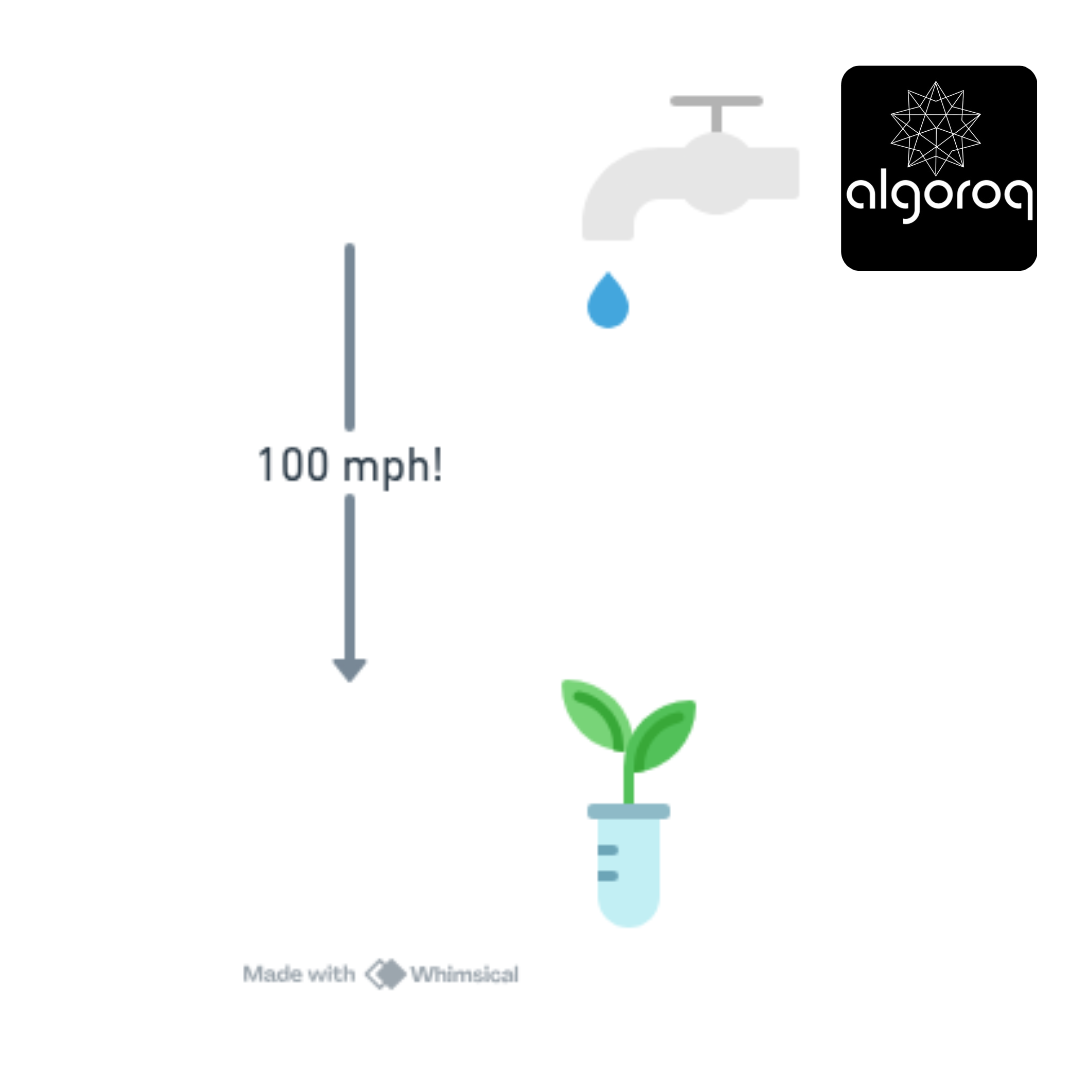
Latency = How fast water flows through the pipe
━━━━━━━━━━━━━━━━━━━━━━━━━━━━━━━━━━━━━━━━━━
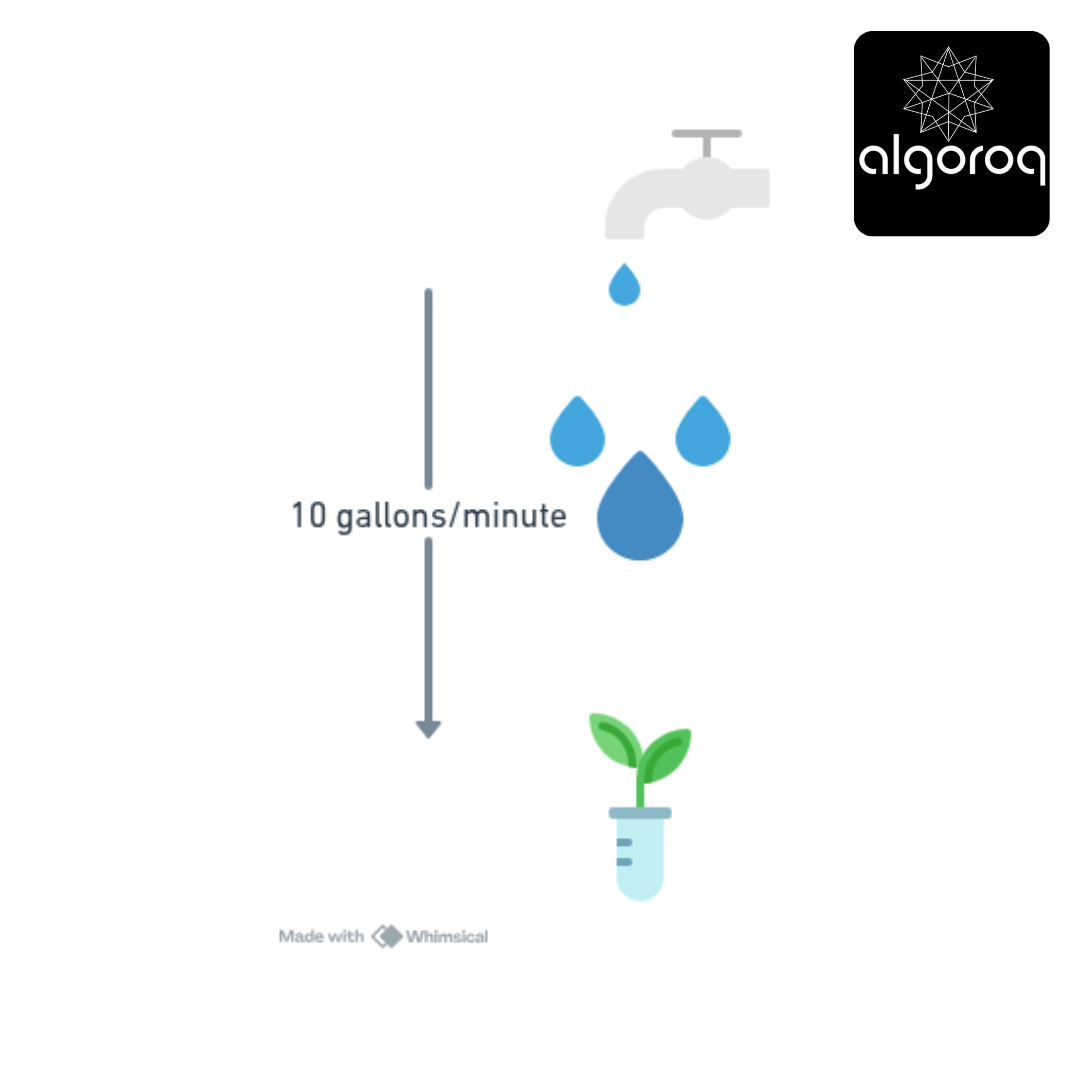
Throughput = How much total water flows
━━━━━━━━━━━━━━━━━━━━━━━━━━━━━━━━━━━━━━━━
The Tradeoff:
━━━━━━━━━━━━━━━━━━━━━━━━━━━━━━━━━━━━━━━━
Thin pipe: Fast flow (low latency), less volume (low throughput) Thick pipe: Slow flow (high latency), more volume (high throughput)
You can have: Option A: Thin pipe with high pressure → Low latency, low throughput Option B: Thick pipe with normal pressure → Higher latency, high throughput Option C: Thick pipe with high pressure → Low latency AND high throughput! (But this is expensive! 💰)
Real-World Optimization Examples
Case Study 1: Netflix Video Streaming
Netflix's Challenge:
━━━━━━━━━━━━━━━━━━━━━━━━━━━━━━━━
Serve 4K video to millions of users simultaneously
Their Solution:
━━━━━━━━━━━━━━━━━━━━━━━━━━━━━━━━
Latency Optimization:
-
CDN edge servers near users (low latency to start stream)
-
First few seconds: High priority, low latency
-
User sees video in <1 second ✓
Throughput Optimization:
-
Pre-encode videos in multiple qualities
-
Stream large chunks (not individual frames)
-
Massive bandwidth pipes
-
Serves 250 million users simultaneously ✓
Result: Fast start (low latency) + sustained streaming (high throughput)
Case Study 2: Google Search
Google's Approach:
━━━━━━━━━━━━━━━━━━━━━━━━━━━━━━━━
Latency Focus:
-
Search results in <100ms
-
Users see results almost instantly
-
Distributed data centers worldwide
-
Aggressive caching
Throughput:
-
Handles 8.5 billion searches/day
-
100,000 queries/second
-
Scales horizontally
They optimize for BOTH: Fast individual results + massive query volume
The Design Decision Framework
When designing systems, ask yourself:
Decision Tree:
━━━━━━━━━━━━━━━━━━━━━━━━━━━━━━━━
Question 1: What matters more to your users?
───────────────────────────────────────────
A. "I need results RIGHT NOW"
→ Optimize for LOW LATENCY
Examples: Trading apps, games, real-time chat
B. "I need to process LOTS of data"
→ Optimize for HIGH THROUGHPUT
Examples: Analytics, batch jobs, video encoding
Question 2: What's your bottleneck?
───────────────────────────────────
A. Network speed
→ Reduce latency: CDN, edge servers, compression
B. Processing capacity
→ Increase throughput: More workers, parallel processing
C. Database
→ Balance both: Caching (latency), read replicas (throughput)
Question 3: What's your budget? ───────────────────────────────
A. Limited → Pick one: Latency OR Throughput → Can't have both cheaply
B. Unlimited → Get both: Fast AND scalable → Expensive but possible
Common Mistakes
Mistake 1: Confusing the Two
❌ Wrong thinking: "My API is slow, so I'll add more servers"
Problem: If latency is the issue, more servers might not help!
Example: ━━━━━━━━━━━━━━━━━━━━━━━━━━━━━━━━
Current: 1 server, 500ms per request Add: 10 servers, still 500ms per request!
You increased throughput (10x more requests) But latency didn't improve (still 500ms each)
✓ Correct approach for latency:
-
Optimize the slow code
-
Add caching
-
Use faster database queries
-
Reduce network hops
Mistake 2: Optimizing the Wrong Thing
Scenario: Batch Email System
━━━━━━━━━━━━━━━━━━━━━━━━━━━━━━━━
Current: Sends 100,000 emails in 1 hour Request: "Make it faster!"
Engineer A: "I'll reduce latency!" Result: Each email sends in 10ms instead of 36ms Total time: Still ~50 minutes (minor improvement)
Engineer B: "I'll increase throughput!" Result: Process 10 emails in parallel instead of 1 Total time: 6 minutes! (10x improvement!) ✓
For batch jobs: Throughput > Latency
Key Takeaways
- Latency is how long a single request takes, throughput is how many requests per second — you can optimize for one at the expense of the other
- P99 latency matters more than average latency — 1% of users seeing 10-second load times is a real problem even if the average is 100ms
- Network latency dominates in distributed systems — within a datacenter is ~0.5ms, cross-continent is ~150ms
- Caching, connection pooling, and async processing are the top latency reduction techniques — measure before and after to verify improvement
- Throughput scales with parallelism — more workers, more partitions, more replicas all increase total throughput
Log in to keep reading
Create a free account to keep reading and track your progress.
Log in — it's free