High Level and Low Level Design

High Level and Low Level Design
Two levels of system design that every engineer must master — high-level design decides what to build and why, low-level design decides exactly how to build it.
HLD vs LLD - The Architect's Tale
🎯 Challenge 1: The House Building Dilemma
Imagine this scenario: You want to build your dream house. You meet with your builder and say: "I want a 3-bedroom house with a modern kitchen."
Pause and think: Would you expect the builder to start pouring concrete immediately? Or would you need something in between?
The Two-Level Reality: Just like building a house needs both an architectural blueprint AND detailed construction plans, software systems need:
- High-Level Design (HLD) - The "what" and "why"
- Low-Level Design (LLD) - The "how" in detail
Key insight: You can't jump from idea to implementation without both levels of design!
🖼️ Interactive Exercise: The Restaurant Analogy
Scenario: You're opening a restaurant. Let's see the difference between HLD and LLD thinking:
High-Level Design (HLD) Thinking:
Question: "What kind of restaurant are we building?"
Your HLD answers:
✓ Italian restaurant
✓ Seats 50 customers
✓ Has kitchen, dining area, bar
✓ Takes reservations online
✓ Accepts credit cards
✓ Open 5pm-11pm
Low-Level Design (LLD) Thinking:
Question: "HOW exactly will online reservations work?"
Your LLD answers:
✓ Use PostgreSQL database with 'reservations' table
✓ Table has columns: id, customer_name, phone, date, time, party_size
✓ API endpoint: POST /api/reservations
✓ Validation: Check if time slot available before confirming
✓ Send confirmation email using SendGrid API
✓ Handle double-booking with database transaction locks
Mental Model:
- HLD = The restaurant floor plan showing "Kitchen here, tables there, bar over here"
- LLD = The detailed electrical wiring diagram showing "outlet here, wire gauge 14AWG, circuit breaker 20A"
🎨 Visual Comparison: Building a Social Media App
Let's design a Twitter-like app to see both levels in action:
HIGH-LEVEL DESIGN (30,000 foot view)
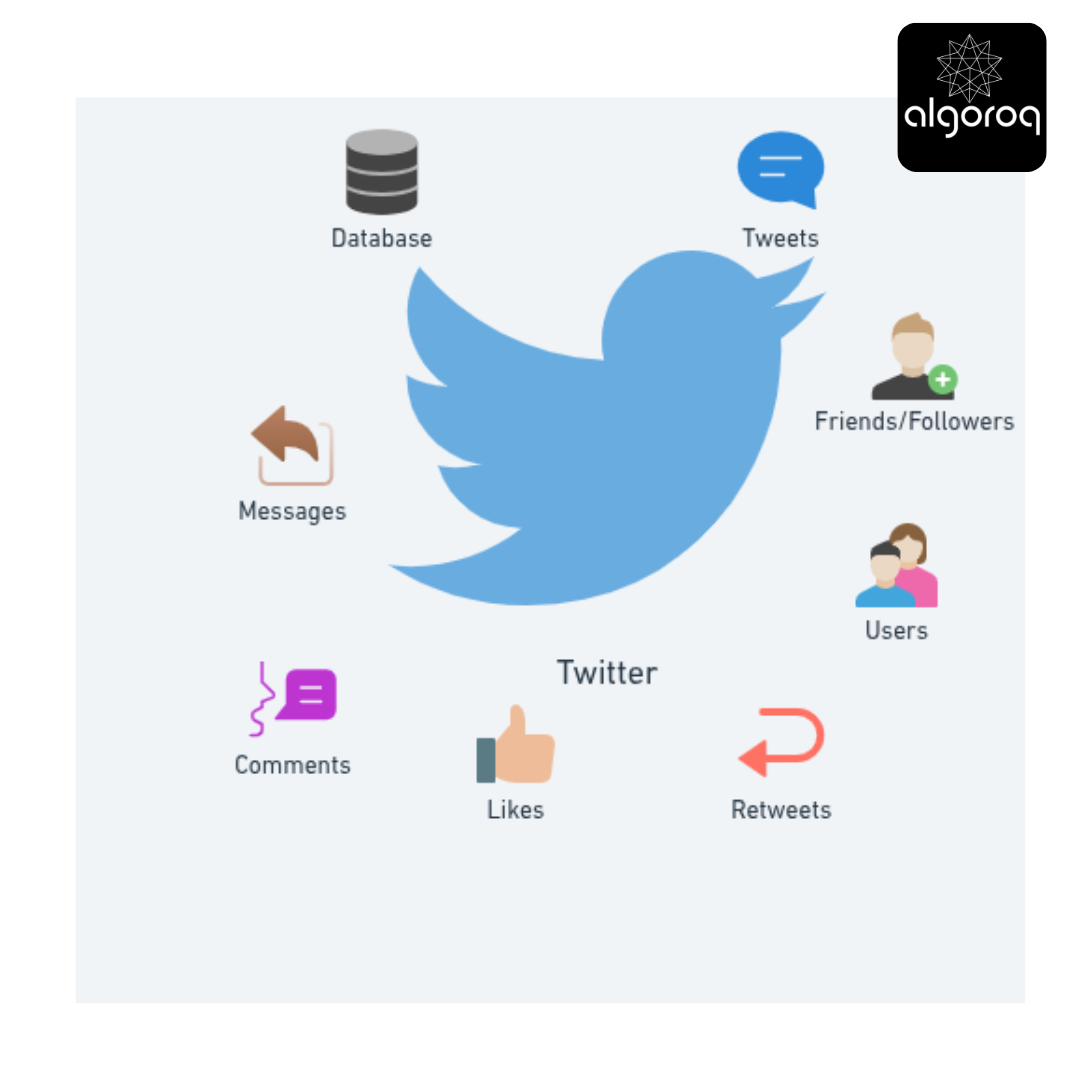
Components: User Service, Tweet Service, Database Data Flow: User → Posts Tweet → Stored in DB Tech Stack: Node.js backend, React frontend, MongoDB
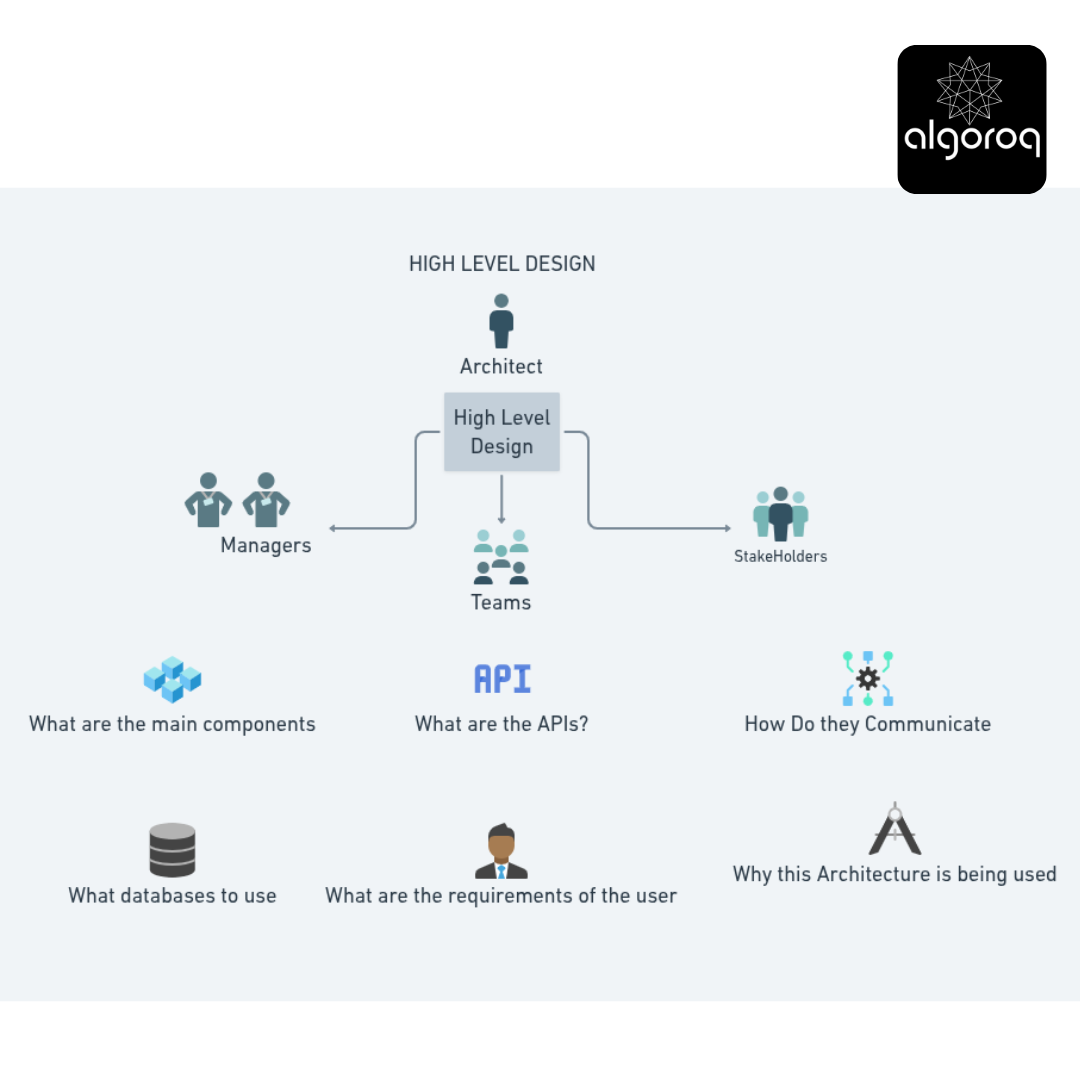
HLD answers:
- What are the main components? (User Service, Tweet Service, Database)
- How do they interact? (API calls between services)
- What technologies? (Node.js, MongoDB, React)
LOW-LEVEL DESIGN (Ground level view)
Just for the "Post Tweet" feature:
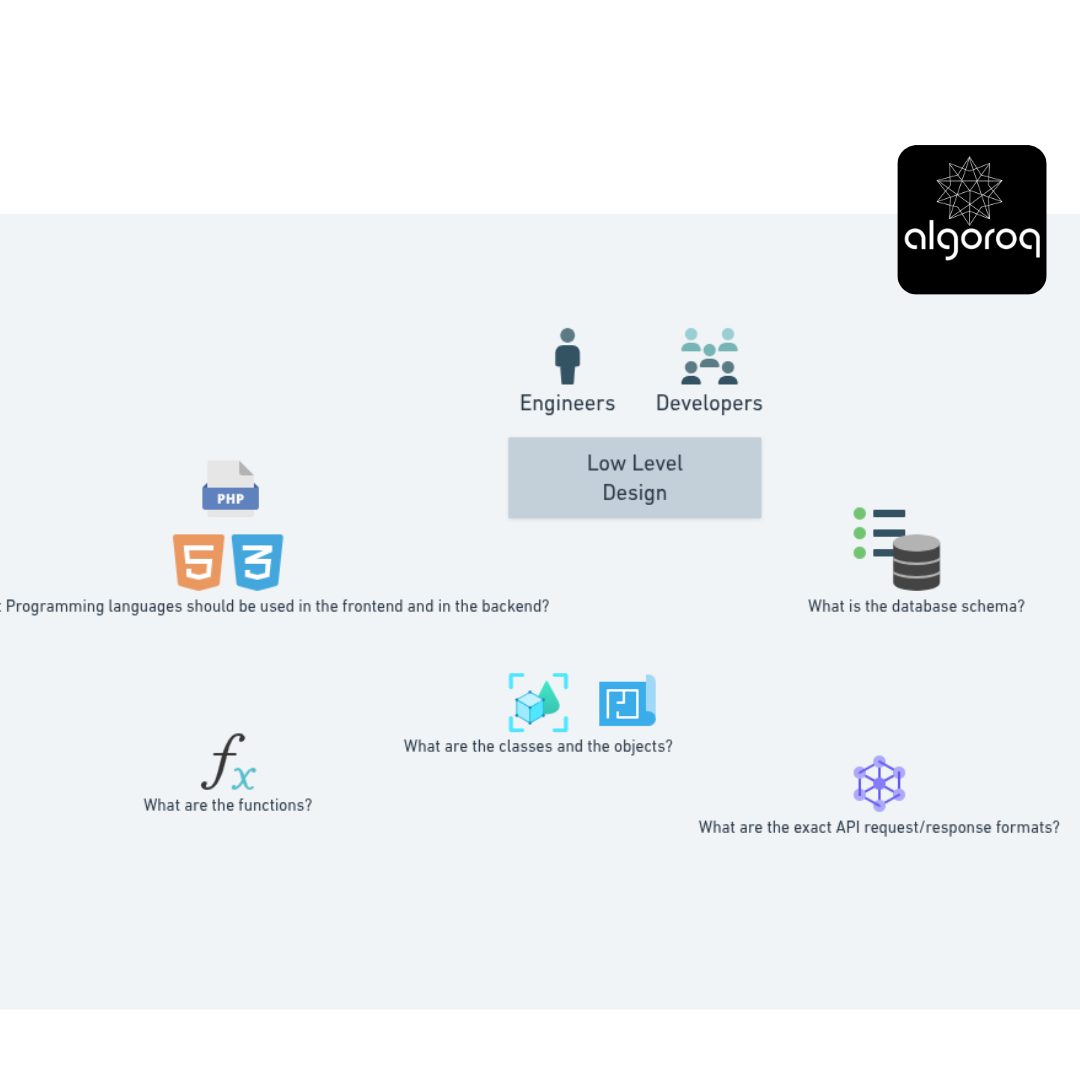
LLD answers:
- Exact function signatures
- Data validation logic
- Error handling
- Database schema with indexes
- Algorithm for each operation
- Edge cases handling
🚨 Common Misconception: "Can't I Just Code Without All This Design?"
You might think: "This seems like extra work. Why not just start coding?"
The Reality Check:
Imagine building IKEA furniture:
- Without HLD: You don't look at the picture of the finished product → Build random parts → End up with a chair that looks like a table
- Without LLD: You see the picture but skip the step-by-step instructions → Parts don't fit → Screws in wrong places → Wobbly furniture
Real-world comparison:
No HLD = Building a house without a floor plan Result: Bathroom ends up in the middle of the living room
No LLD = Having the floor plan but no construction details Result: You know WHERE the bathroom goes, but not HOW to install the plumbing, what pipe sizes, what materials
The Sweet Spot:
- HLD first → Make sure you're building the RIGHT thing
- LLD next → Make sure you're building it the RIGHT way
- Code last → Implementation is now straightforward
🎮 Decision Game: Which Level of Design?
For each statement, identify if it's HLD or LLD:
A. "We'll use Redis for caching frequently accessed data"
B. "The cache key will be user:{userId}:profile with TTL of 3600 seconds"
C. "The system will have three microservices: Auth, Orders, and Payments"
D. "The Order service will use a state machine with states: PENDING → CONFIRMED → SHIPPED → DELIVERED"
E. "We'll use PostgreSQL for persistent storage"
F. "The users table will have a B-tree index on email column and a composite index on (last_name, first_name)"
Think about each one... What level of detail is being specified?
Answers revealed:
- A: HLD → Mentions technology choice, but not implementation details
- B: LLD → Specific key format, exact TTL value
- C: HLD → System architecture, component breakdown
- D: LLD → Exact state transitions and values
- E: HLD → Database technology choice
- F: LLD → Specific index types and columns
Mental Model:
- If your manager or client could understand it → HLD
- If only developers need this level of detail → LLD
📊 The Complete Picture: HLD vs LLD
LLD (Engineer)
🔑 Key Takeaway: The Two-Level Strategy
When designing a system:
-
Start with HLD
- Sketch the big picture
- Identify major components
- Choose technologies
- Define interactions
- Get stakeholder buy-in
-
Drill down to LLD
- Design each component in detail
- Specify algorithms
- Define data structures
- Plan error handling
- Ready for coding
Real-world parallel:
- Planning a road trip: HLD = Route from NYC to LA, stop in Chicago and Denver
- LLD = Exact highways (I-80 West), exit numbers (Exit 126B), gas stations every 200 miles
Log in to keep reading
Create a free account to keep reading and track your progress.
Log in — it's free